
Everybody Loves Rayomand
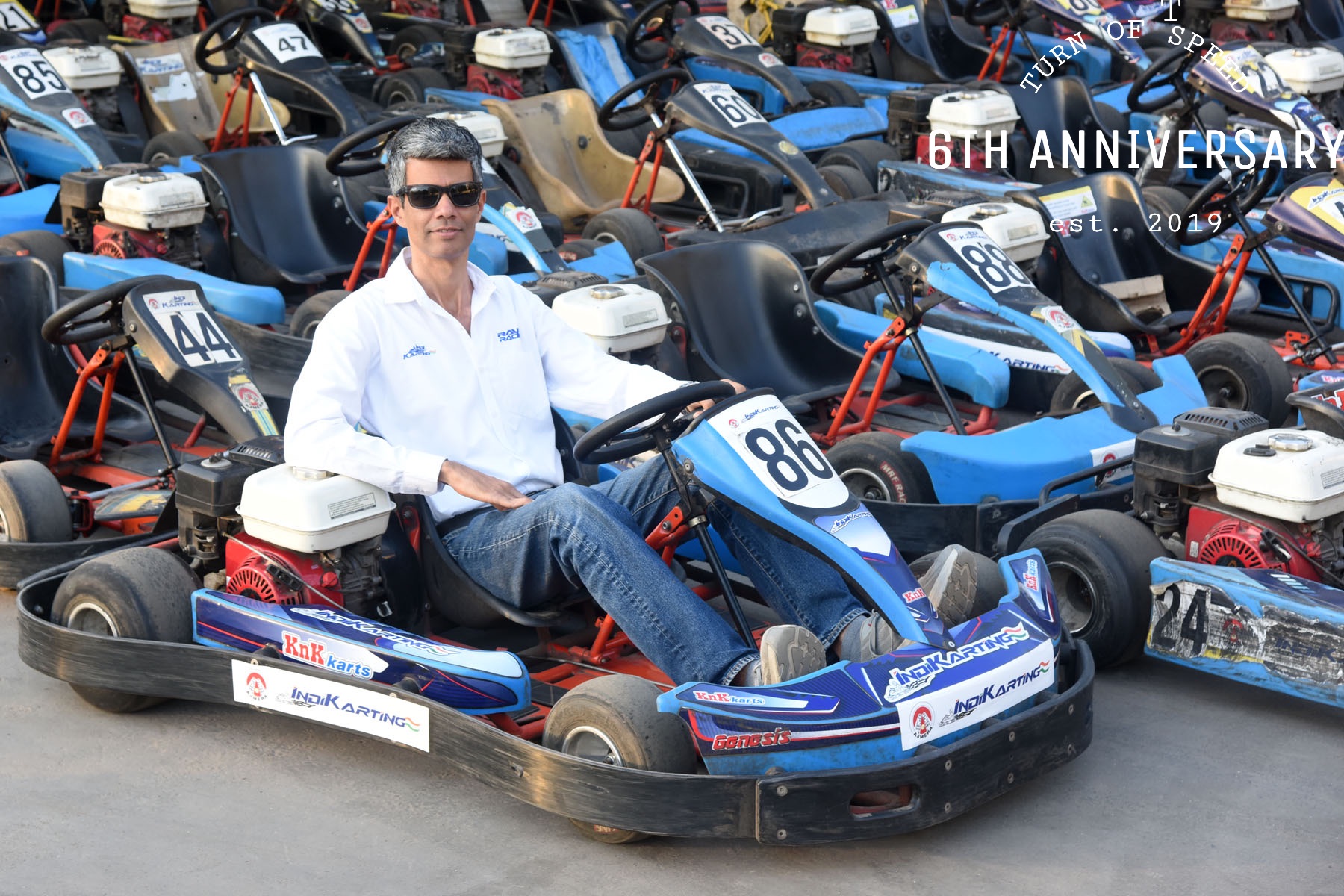
Rayomand Banajee, an 8-time Formula Car and Karting Champion, and the founder of Rayo Racing and Indi Karting, has become a pivotal figure in India’s motorsport scene. His journey began with a deep passion for racing, leading to a career that now spans track development and the cultivation of young talent. Banajee’s commitment to nurturing the next generation of drivers is matched only by his dedication to creating the infrastructure that will support their growth and success in the sport. Through Rayo Racing and initiatives such as Indi Karting, Banajee, is not only shaping the future of motorsport in India but also offering a clear path to Formula 1 for aspiring drivers.
26/12/2025
No Comments
MUMBAI
Rayomand Banajee, a name synonymous with success in the world of motorsport, began his journey in a manner few may have anticipated. Long before he became an eight-time Formula Car and Karting Champion, a racing coach and mentor, and the founder of Rayo Racing, Indi Karting, and IR-E Sports, Banajee, harboured dreams that lay far from the roaring engines of racetracks.
As a child, Banajee’s first aspiration was to become a veterinarian, driven by his love for animals. His mother, a doctor, often regaled him with stories of the rigorous years of study her profession demanded. The notion of learning to care for several species eventually proved less compelling, and soon, the prospect of following in his uncles’ footsteps into the Merchant Navy took hold. Yet, despite these early inclinations, it was motorsport that would truly ignite his imagination.
The spark was kindled at his home, in Pune, where Banajee, spent several hours engrossed watching Formula One races. The magnetic talent of Ayrton Senna, in particular, captured his young mind. Not particularly a fan of Michael Schumacher, the sheer thrill of F1 racing was undeniable, and the sport soon became an obsession. At a time when motorsport coverage in India was scant, Banajee says that he “turned to international magazines such as Popular Science and Popular Mechanics” to quench his thirst for “knowledge about the mechanics of how machines worked.”
By the early 1990s, as the Internet emerged, Banajee’s passion for motorsport evolved. Online forums and articles offered him new avenues to explore the sport’s intricacies, and his admiration for the athletes who pushed boundaries of human endurance grew. The tragic loss of Ayrton Senna in 1994 had a profound effect on him. The young racer, whose life had been cut short on the very tracks that had inspired Banajee, embodied the courage required to compete at the highest levels of motorsport. It was a sobering reminder of the sacrifices and risks inherent to the sport.
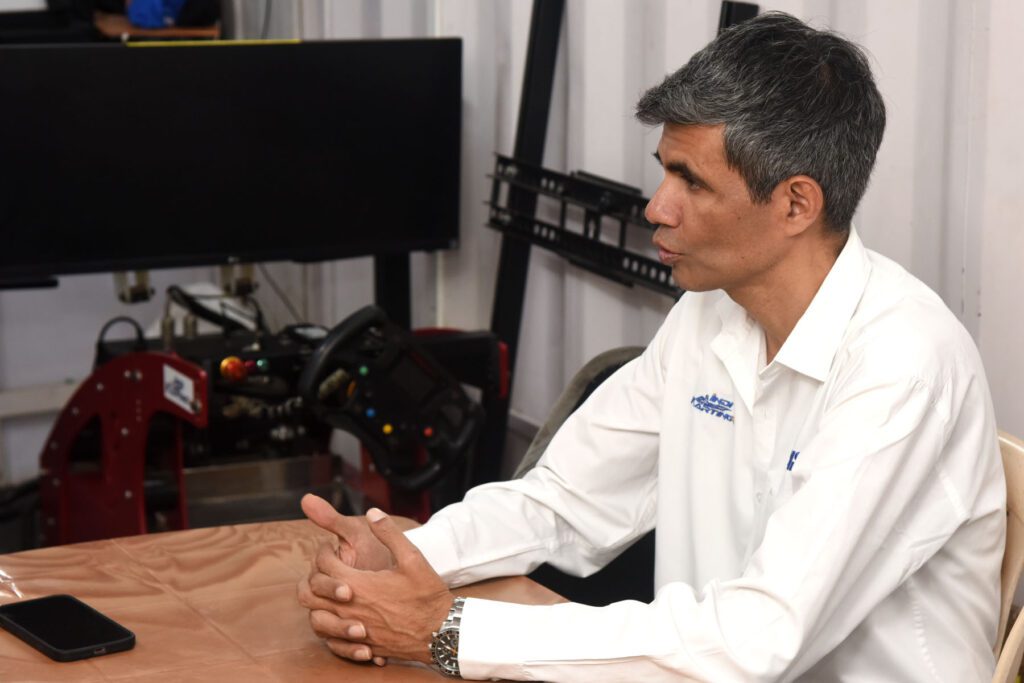
Despite his growing passion, karting was not an option in India at the time. It wasn’t until 1999 that the sport finally arrived on Indian soil. By 2000, Banajee was ready to take the plunge, entering the country’s first national karting championship. His entry into the world of motorsport, however, came about through a stroke of luck. In Bombay, the Prince of Baroda, Pratapsinh Gaekwad, had established a new racing team, and although the team had already selected its members, Banajee, was given a challenge: break the track record at the Powai circuit.
“I came to Bombay, broke the track record and got into the team. That was my main first initiation into the sport.”
Rayomand Banajee, Founder, Rayo Racing, Indi Karting, and IR-E Sports
With nothing but determination to guide him, Banajee set off from Pune on his uncle’s Vespa and travelled to Bombay. Upon arrival, he did precisely what was asked of him – broke the track record, and earned himself a spot on the team. Though the team itself was short-lived, this achievement proved to be a pivotal moment that would set Banajee on the path to success.
His rise through the ranks of karting accelerated with the JK National Karting Championship, a prestigious new series that quickly became a significant milestone in the Indian motorsport landscape. In an era when substantial prize money was rare, the championship took on added importance, and Banajee’s talent flourished within it.
A significant influence during this time came from Malaysia, where the experienced Wai Leong mentored him. From the basics of cleaning karts to rebuilding them and working as a race mechanic, Banajee learned the sport from the ground up. In India, he benefitted from the guidance of prominent figures such as Akbar Ibrahim and Sanjay Sharma of J.K. Tyre, who shaped his development at critical junctures.
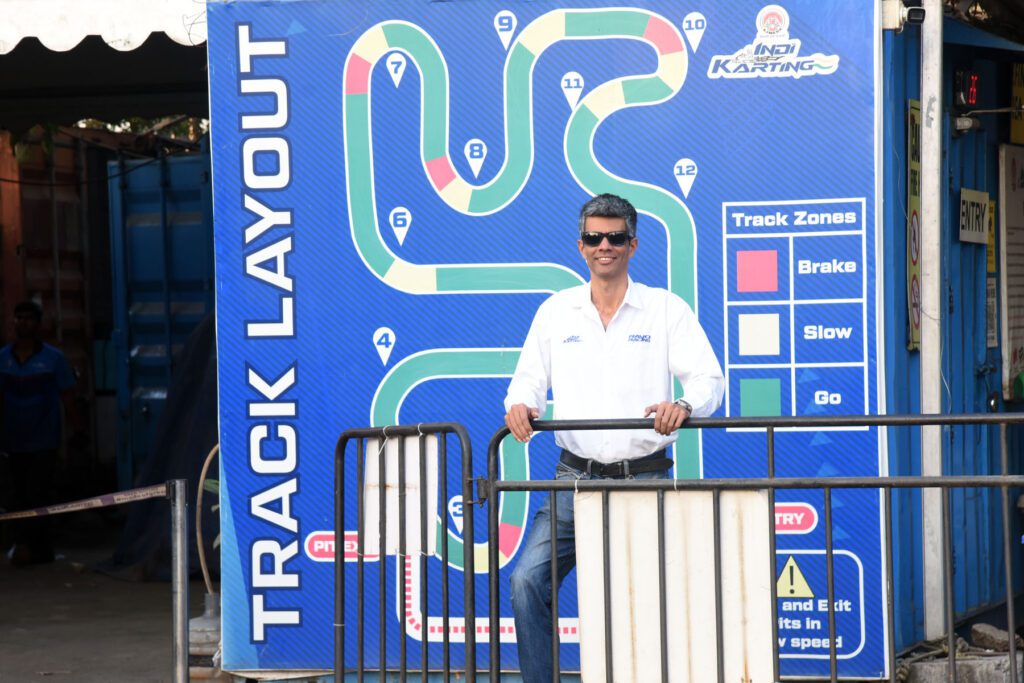
Banajee’s relentless dedication began to pay dividends. He claimed multiple victories, including a memorable win in the fourth and fifth editions of the championship, where the ultimate prize was a car. Over the course of his karting career, he won three cars – two Opel Corsas and a Maruti Suzuki Esteem. While the first two Opel Corsas were exchanged for cash, which Banajee reinvested entirely into his racing, he chose to accept the Maruti Suzuki Esteem after winning the National Car Racing Championship. The car symbolised not only the tangible rewards of his hard work but also the years of sacrifice and discipline that had led him to this moment.
As his karting career bloomed, Banajee, earned scholarships from major teams and continued to reinvest his winnings into his racing. Though his focus remained primarily on circuit racing, he also dabbled in rallying. Later, Banajee, also went on to represent India at the Asian Auto Gymkhana Championship in Taiwan.
However, as the years passed, the dream of reaching Formula One seemed distant, not due to a lack of talent, but due to the constraints of financial backing and sponsorship. Yet, not one to view all his winnings as a wasted effort, he was quick to realize the importance of mentorship, something that he had lacked during his own racing journey. The knowledge and experience he gained could now be used to guide the next generation of passionate racers who had the means to succeed.
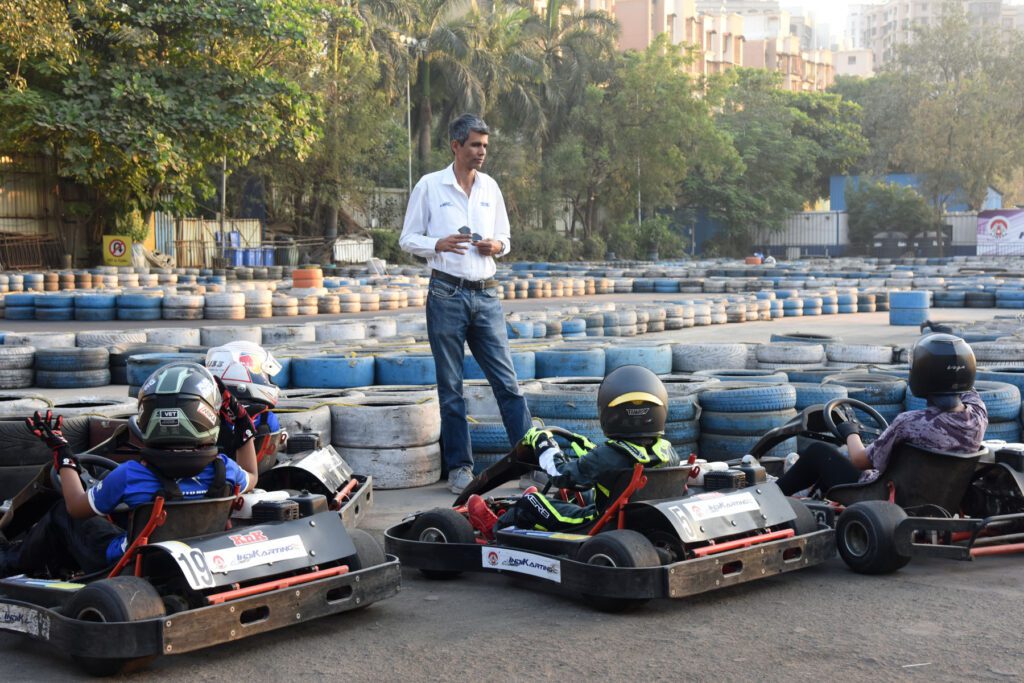
And so, Rayo Racing was born. The mission was clear – to develop an Indian talent capable of reaching Formula One. “The dream came close to fruition with Jehan Daruvala. “I was there when he tested with McLaren at Silverstone in the UK, but that moment didn’t quite land an Indian on the grid,” says Banajee. However, it was a significant milestone for Indian motorsport.
Rayo Racing’s story began humbly with the establishment of two karting tracks in Pune, one in Kharadi and the other near the National Institute of Bank Management (NIBM). These tracks became the foundation for Banajee’s next chapter in the sport. As his involvement deepened, he quickly realised a significant gap in the grassroots level of Indian motorsport. While the national level featured a two-stroke category, there were no true entry-level championships to nurture emerging talent.
And so, Banajee, launched India’s largest four-stroke karting championship, designed to provide newcomers with a platform that adhered to international standards. The impact was immediate. At the first national championship hosted in Pune, all three podium finishers were from Banajee’s tracks, thus affirming the importance of proper infrastructure in developing talent and showcasing the vast, untapped potential of Indian motorsport.
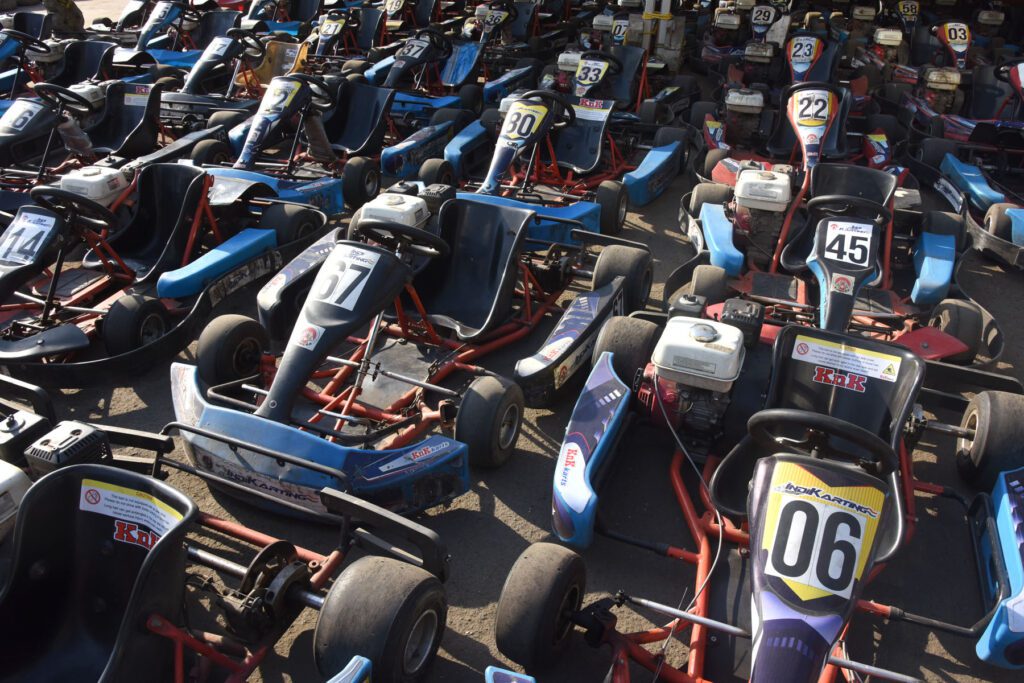
With the rise of motorsport in the country, India has also seen a rise in local karting manufacturers, with multiple companies now producing their own karts. Among them, KnK stands out as a long-standing partner, with whom a solid relationship has been built over time. Having used their karts and even secured podium finishes in Asia, the connection is deeply ingrained in the world of four-stroke karting in India. While local manufacturers are generally profitable, much of the equipment at more advanced levels of karting, specifically two-stroke karts, is imported.
The two-stroke karts, which represent the more competitive side of the sport, come from Italy. The chassis, the core of these high-performance karts, are sourced from renowned Italian brands such as Cosmic and Tony Kart, widely considered the best in the world. Meanwhile, the engines are imported from Austria, supplied by Rotax, a leading manufacturer that is part of the Bombardier group, known for producing a wide range of advanced machinery, from aircraft engines to snowmobiles.
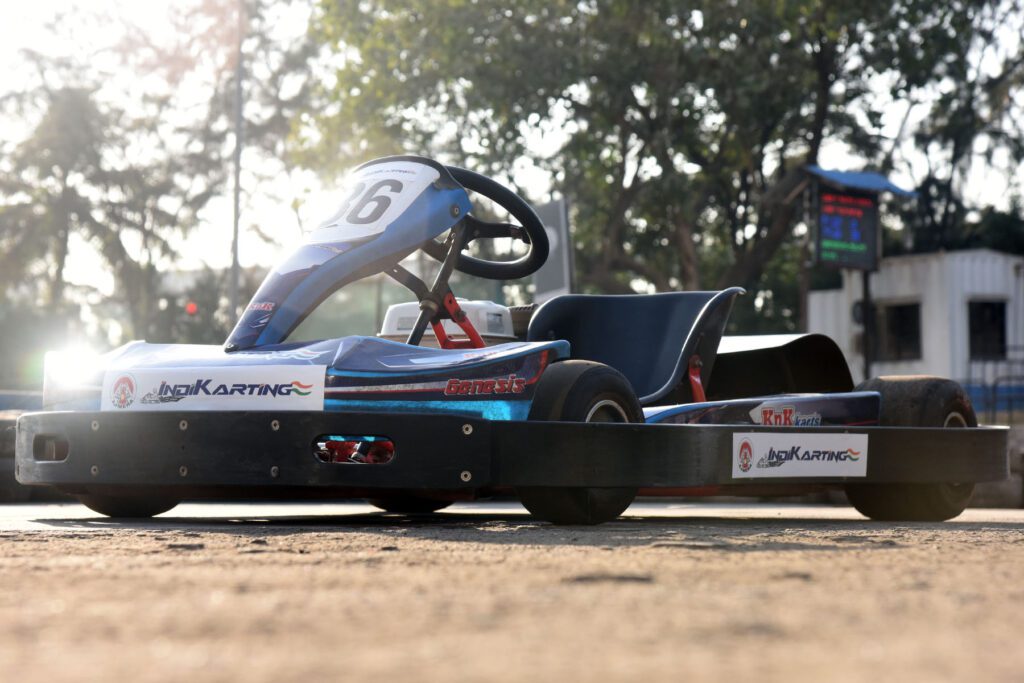
Though the engines are not imported directly, the import of chassis and related components is carefully managed, ensuring access to the highest quality equipment available for serious karting enthusiasts. This blend of local and international resources has helped establish a strong foundation for the growth of karting in India, with top-tier equipment supporting the development of future talent.
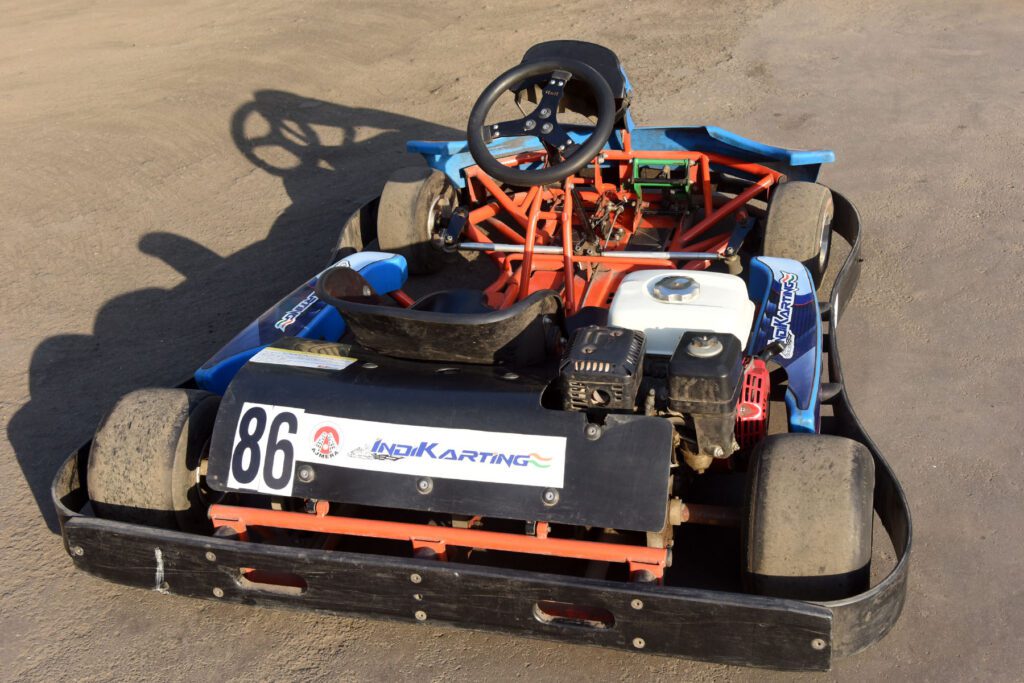
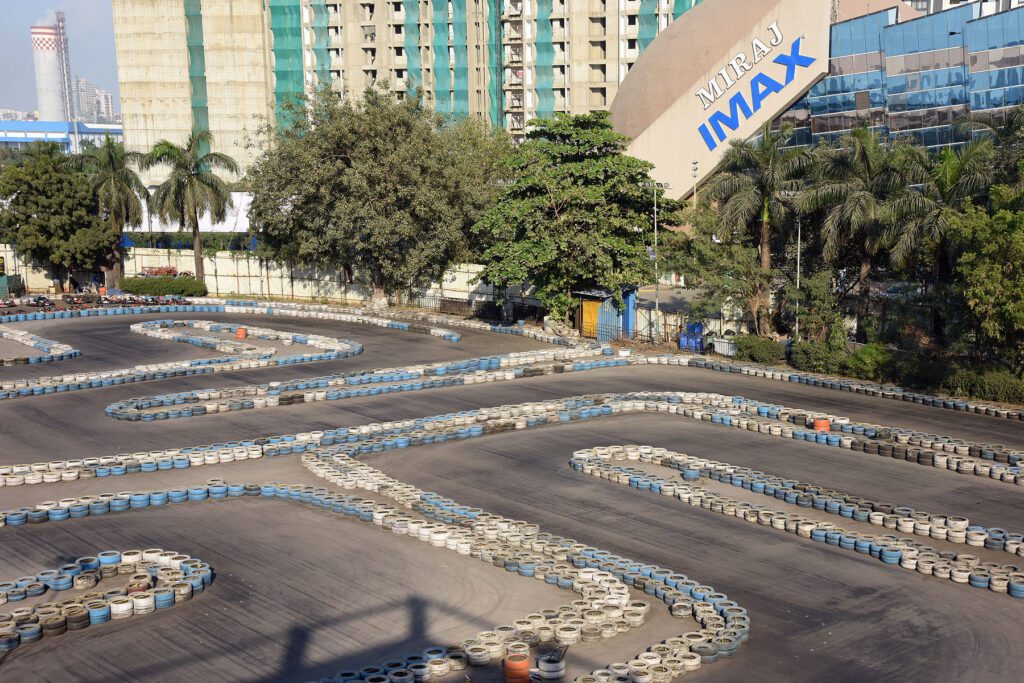
Banajee’s IndiKarting (Mumbai) plans were set in motion after an unexpected encounter at an airport with the Ajmera developers, a family renowned for their progressive investments in both sports and real estate. The ensuing conversation evolved into a solid business partnership, and the project moved into action.
Today, the IndiKarting track in Mumbai stands as a testament to the Ajmera family’s trust in Banajee’s foresight. Its immediate impact on the Indian motorsport landscape has been nothing short of extraordinary. National and international podium finishers emerged with remarkable speed after the track opened, further validating Banajee’s philosophy that the right infrastructure is key to cultivating homegrown talent. In a country where world-class facilities for motorsport were once few and far between, the Mumbai track has played an instrumental role in shaping the future of Indian racing.
“Karting offers a wide window for newcomers, with no strict age limit for starting. While early beginnings may provide an advantage, it is ultimately the individual’s determination and dedication that drive success in motorsport,” says Banajee.
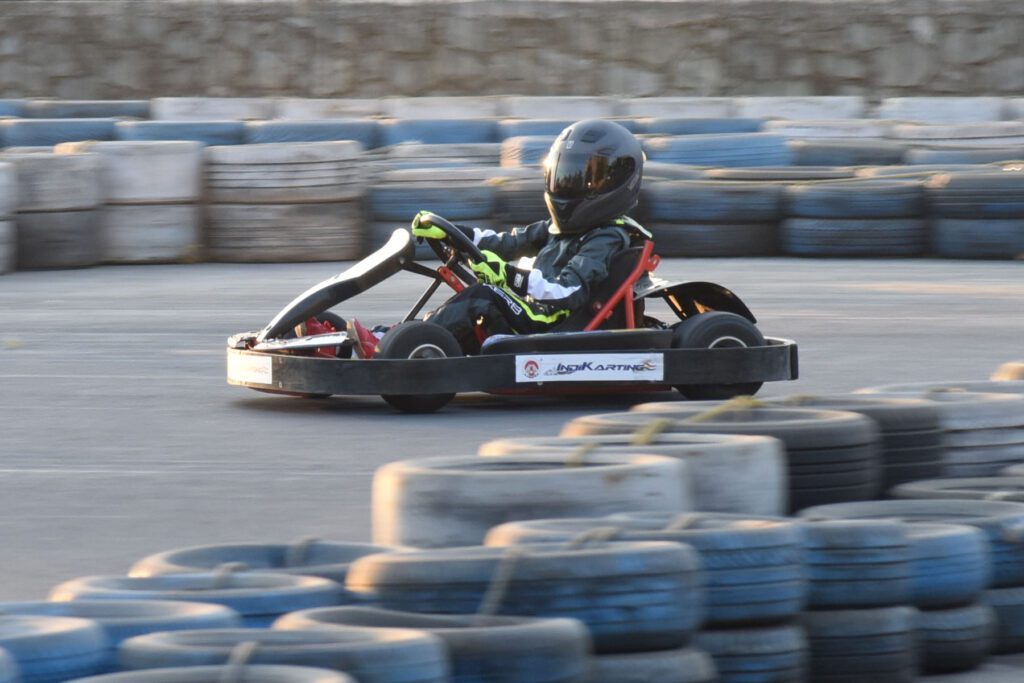
In India, a child’s formal journey into racing begins at the age of eight, the minimum required to participate in sanctioned competition. But Banajee explains that preparation begins much earlier. “Serious coaching is best introduced around six and a half, once a child has developed the ability to grasp more complex ideas. Prior to that, from four to six and a half, young drivers are encouraged to explore the sport at their own pace, often using “baby carts” with minimal coaching. The focus is on enjoyment, familiarity, and instinctive learning,” he explains. By the age of eight, they are ready to transition into entry-level four-stroke racing, marking a key milestone in their development.
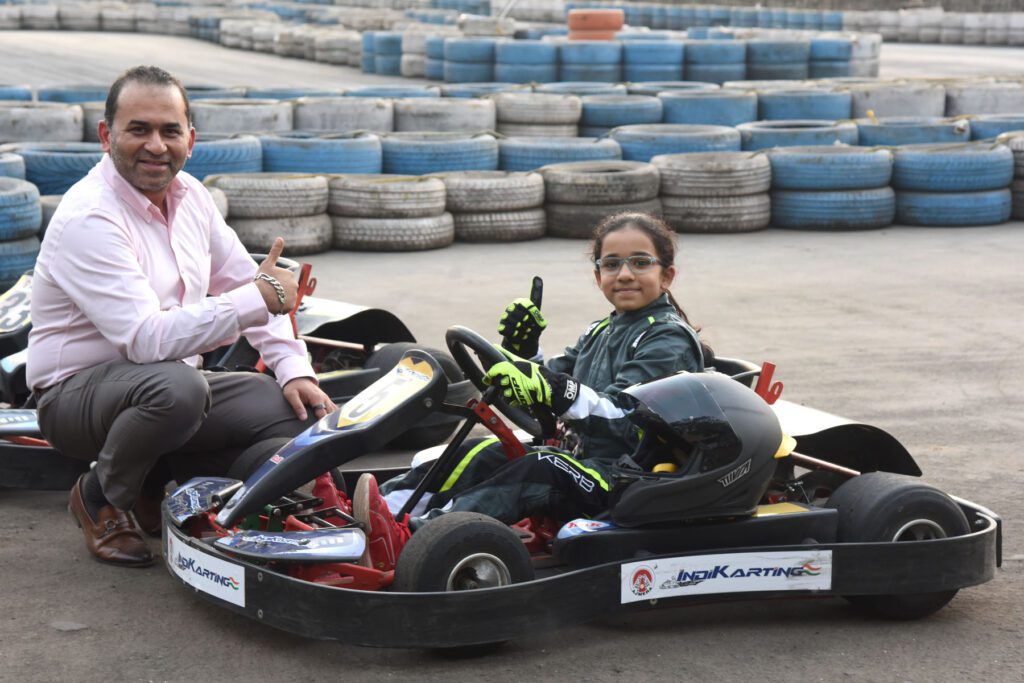
Parental support plays a crucial role in a young driver’s development, says Banajee, but he is quick to point out the fine balance required in this dynamic. “In motorsport, success is shaped as much by the environment surrounding the driver as by their natural ability. The delicate balance between encouragement and pressure from parents can either nurture or hinder a young driver’s potential,” he says, reflecting on the complexity of the relationship between parents and children in such a demanding sport.
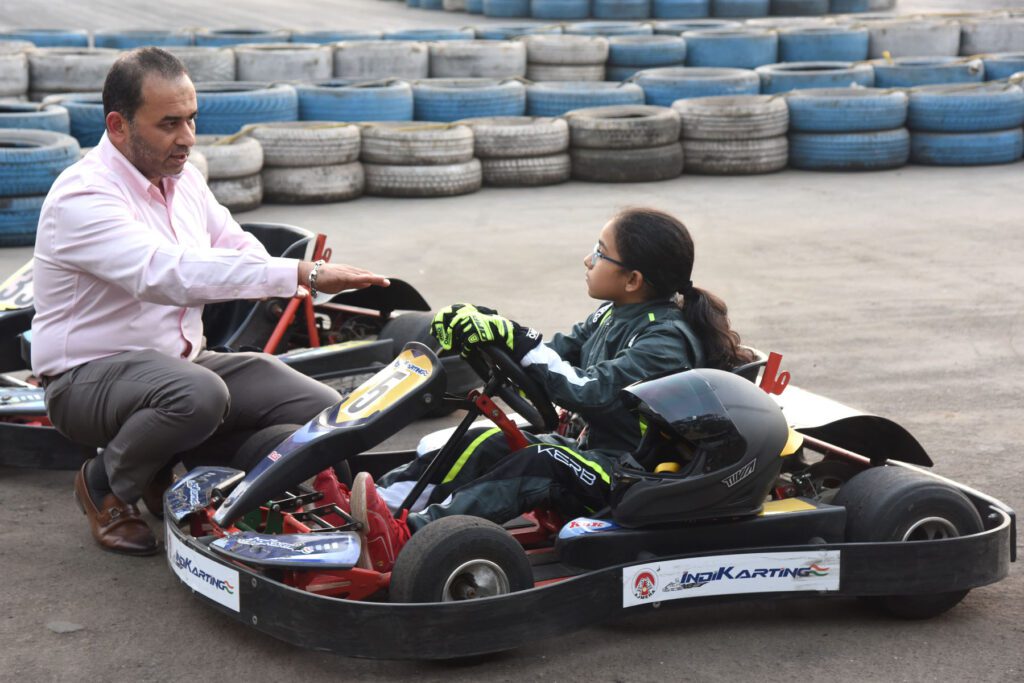
“We discovered Rayo Racing through a friend and we started bringing our daughter, Mahira, to the track when she was around seven. What encouraged us to continue the coaching was how instinctively she connected with the track. From the start, it was clear that this wasn’t just another activity.”
“For us, the track is certainly a stress buster – for her as well as for me. Being outdoors, away from screens, and immersed in something so physical and mindful has a grounding effect. At the same time, we do take it seriously in terms of commitment and consistency. While we are not chasing results or putting pressure on her at this stage, we do believe in giving her the right exposure and foundation, should she choose to pursue racing more seriously in the future.”
– PARIN DHARIA
Banajee cautions against excessive involvement by well-meaning parents who, while eager to help, may lack a full understanding of the sport. “Too often, parents’ own ambitions or over-involvement in coaching can dilute a child’s instincts and impede their progress. The fastest and most consistent drivers tend to be those whose parents adopt a measured, hands-off approach, trusting in the expertise of experienced professionals,” he asserts.
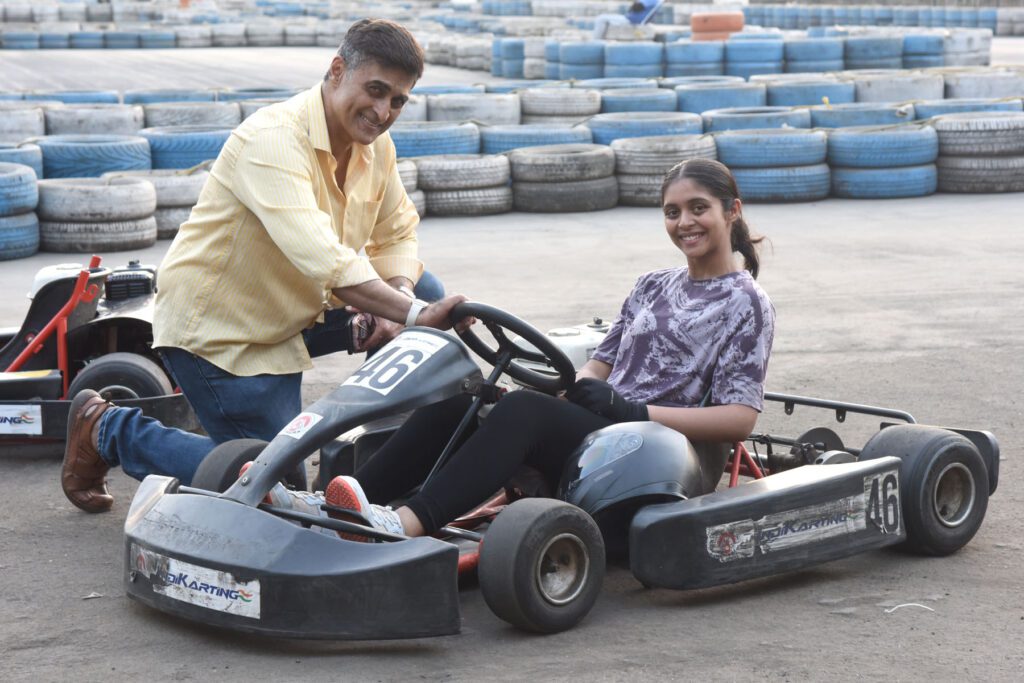
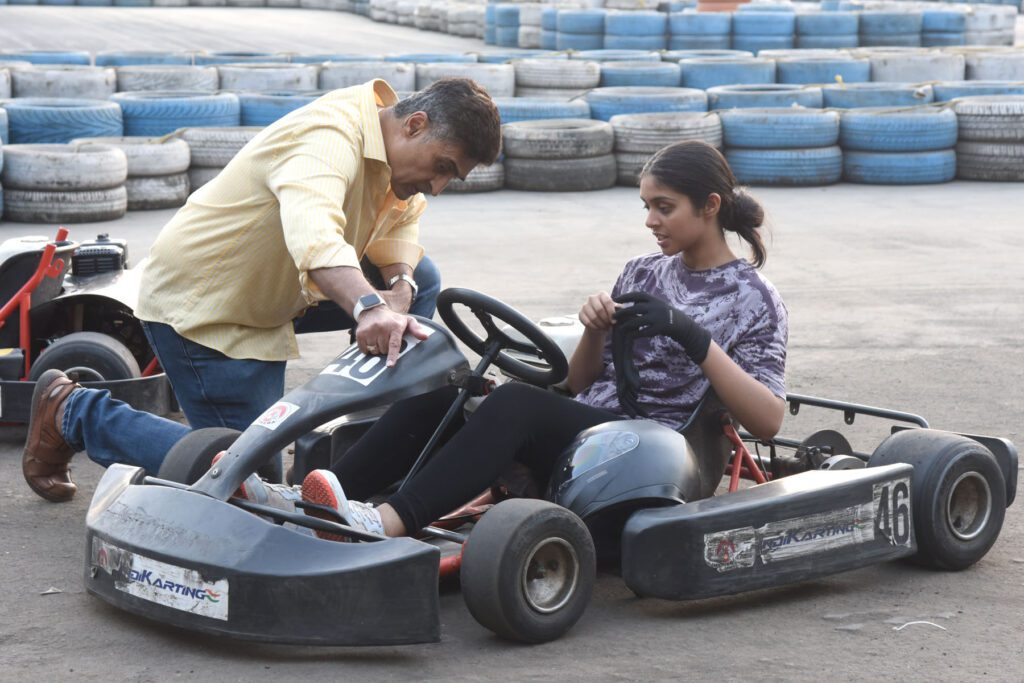
“Racing piqued my interest since I was very young. When I was around two, my Dad would watch Formula 1 and I too would sit, with him and watch, occasionally dropping the question, “Who won the race?” This led me to asking my parents for a “red car” as a four-year-old. Around the time I was 11, my Dad returned to watching Formula 1, and this time around, I found myself sitting with him questioning, researching and learning. This led me to want to explore motorsport, owing to the fact that I enjoyed not just the competitive spirit but also the technical and strategic aspects of it. I researched to find karting tracks nearby and found Ajmera Indikarting. This was during the lockdown, so I pestered my parents to go to the track practically everyday, until I finally did go, and couldn’t wait to do it all over again.”
– KRISHAA BAHL
“The sport itself is structured around two distinct environments, smaller tracks for beginners, and larger, more demanding two-stroke circuits,” says Banajee. While cities such as Bangalore and Chennai are home to the latter, the north of India remains largely untapped in terms of infrastructure. However, Banajee says that the steady expansion of karting facilities is bringing more young drivers into the sport.
In terms of fitness, motorsport, Banajee points out, demands far more than just driving skills. “It requires peak physical and mental fitness. Racing is a grueling test of endurance and resilience,” he says, describing the rigorous demands placed on drivers. “Even karting, with its short five- to seven-minute races, leaves a driver exhausted, far more so than a layperson would expect. In Formula One, drivers’ heart rates remain above 160 beats per minute for over 90 minutes, and they can lose up to 4.5 kilograms during a single race,” says Banajee, emphasising on the immense physical strain involved.
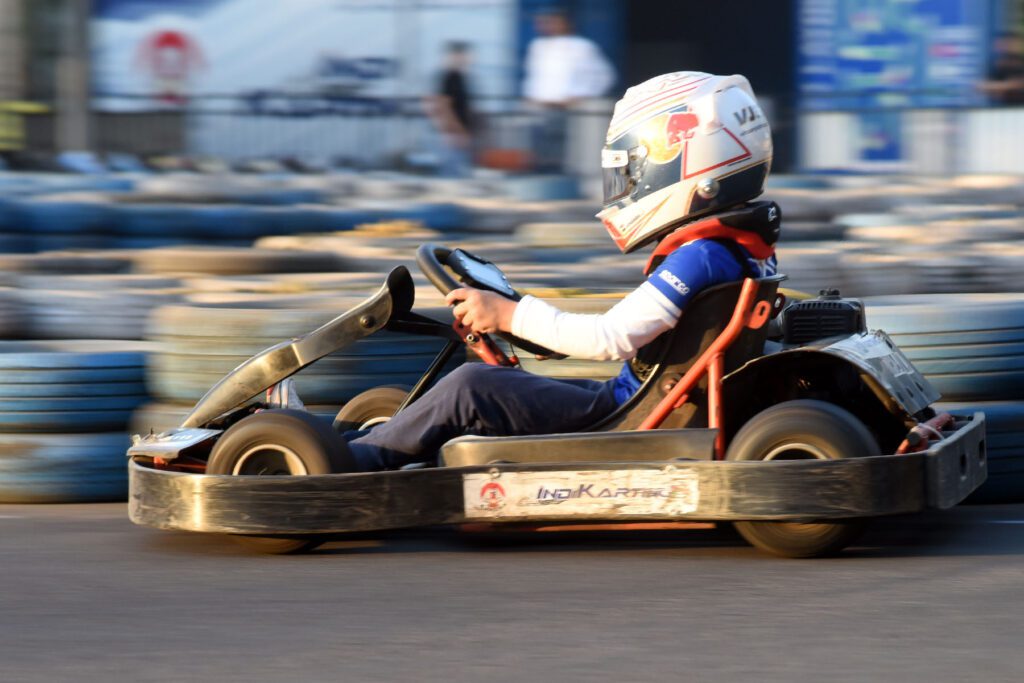
“Racing,” he says, “is a continuous battle. Unlike other sports, where breaks are frequent, motorsport is unrelenting. The constant g-forces, sharp corners, and vibrations test both strength and endurance. Injuries, such as cracked ribs from high-speed turns, are common.” And therefore, “success, is not merely the result of raw talent but the culmination of rigorous preparation, unyielding discipline, and the ability to endure one of the most physically demanding sports,” says Banajee.
However, Banajee is quick to acknowledge that the sport has made remarkable advances in safety over the past decade and a half. “Formula One has led the way, and its innovations have set the standard across all levels of racing, including karting,” he says. The tragic death of Ayrton Senna in 1994 acted as a pivotal moment for motorsport, leading to an unwavering focus on improving driver protection.
Banajee highlights several key innovations, such as full bodywork to shield rear wheels in karting, and the introduction of safety devices such as the HANS (Head and Neck Support) device, which protects drivers from whiplash. “These advances have drastically reduced the risks of airborne collisions,” says Banajee. “Tracks, too, have evolved. Many circuits in India are now homologated to international standards, featuring debris fences and other measures to protect both drivers and spectators,” he says.
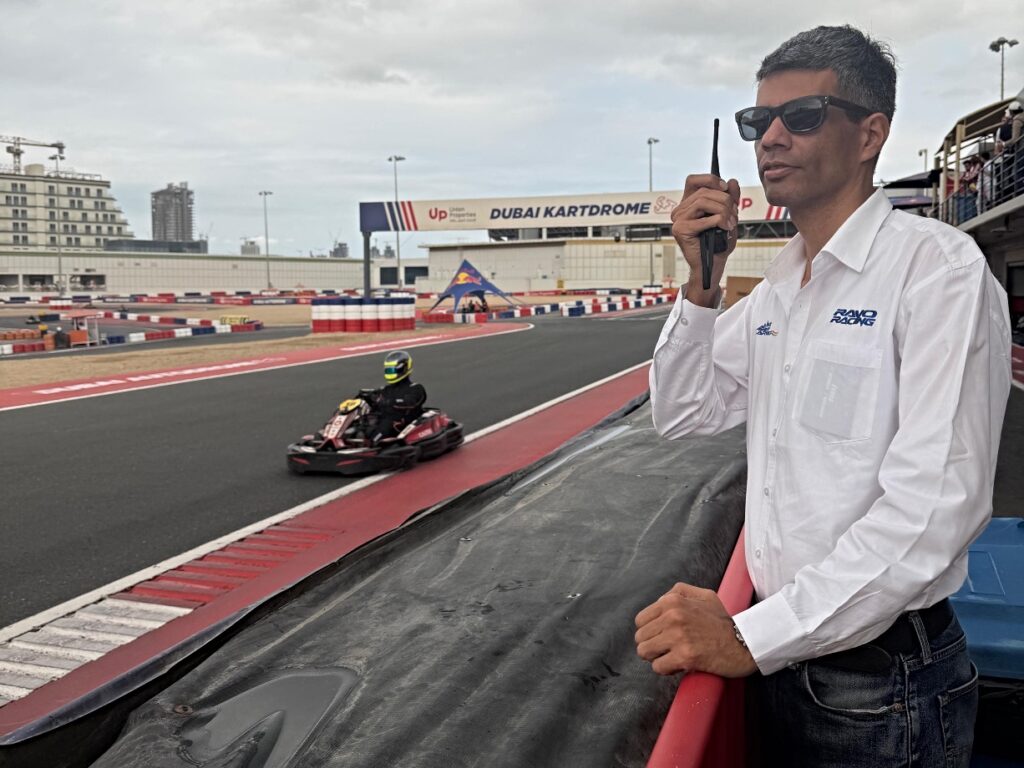
Banajee also lauds the FIA’s ongoing efforts to refine car and circuit design in response to accidents. “Together, these innovations have transformed motorsport into a far safer pursuit. Rigorous safety standards underpin every level of competition,” he says.
Numerous medical advancements have also further enhanced driver protection, notes Banajee. “Today, doctors at major racing events monitor a driver’s vital statistics via sensors embedded in their driving gloves or clothes, for instance, enabling medical teams to assess a driver’s condition even before reaching an accident site, says Banajee.
He recalls this system’s effectiveness during Romain Grosjean’s terrifying crash at the 2020 Bahrain Grand Prix. “Thanks to advances in fire-resistant car design, driver protective gear, and the prompt arrival of the medical car, Grosjean was swiftly attended to, a clear testament to the efficacy of modern safety protocols,” says Banajee.
“Motorsport, today, is one of the safest high-speed competitions in the world. From car design to track safety and medical response, every aspect of the sport is now underpinned by a commitment to the protection of its athletes.”
Rayomand Banajee, Founder, Rayo Racing, Indi Karting, and IR-E Sports
Motorsport in India is gaining traction, transforming from a niche pursuit into an exciting and competitive arena. As the country’s motorsport scene grows, several old and new key circuits are supporting both, car racing and karting enthusiasts, across the nation. India is now home to three internationally certified car racing tracks that have become pivotal in the development of the sport, the Buddh International Circuit (BIC) in Greater Noida, once the host of the Formula 1 Indian Grand Prix; the Madras International Circuit in Chennai, renowned for both national and international events; and the Kari Motor Speedway in Coimbatore, a popular and respected venue for car racing.
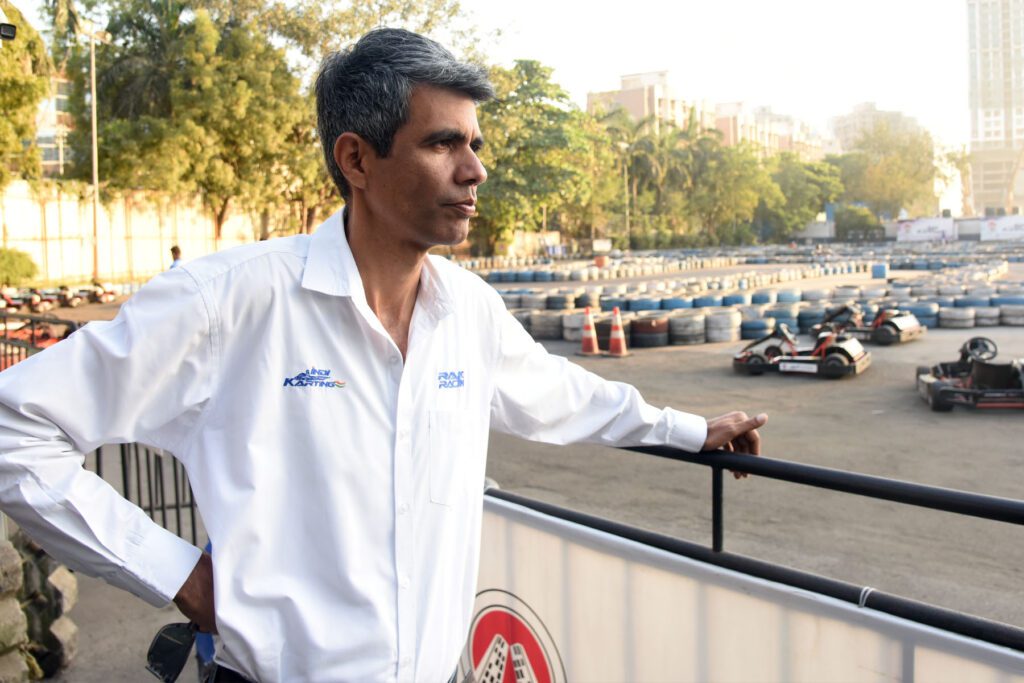
In addition to these internationally recognised tracks, India has seen the rise of other facilities designed to meet the varying needs of motorsport, from testing to recreational racing. “For instance, Coimbatore’s Coast Circuit, though not officially certified for races, serves as an essential venue for testing and car-related events. There is also the Bren Raceway near Bangalore, still in its early stages of development but indicative of the country’s growing investment in motorsport infrastructure,” says Banajee.
Banajee believes that the path to success in Indian motorsport is one that demands resilience and commitment. “The journey to the top, whether it is Formula 1 or another racing discipline, is unique to each driver and is shaped by personal choices, circumstances, and individual goals. While some drivers may progress swiftly through the ranks, spending one or two years in Formula 4, others may take more time to develop and perfect their craft,” says Banajee. Regardless of the time spent, Banajee highlights that every journey in motorsport is distinct, marked by “the driver’s own experiences and decisions.”
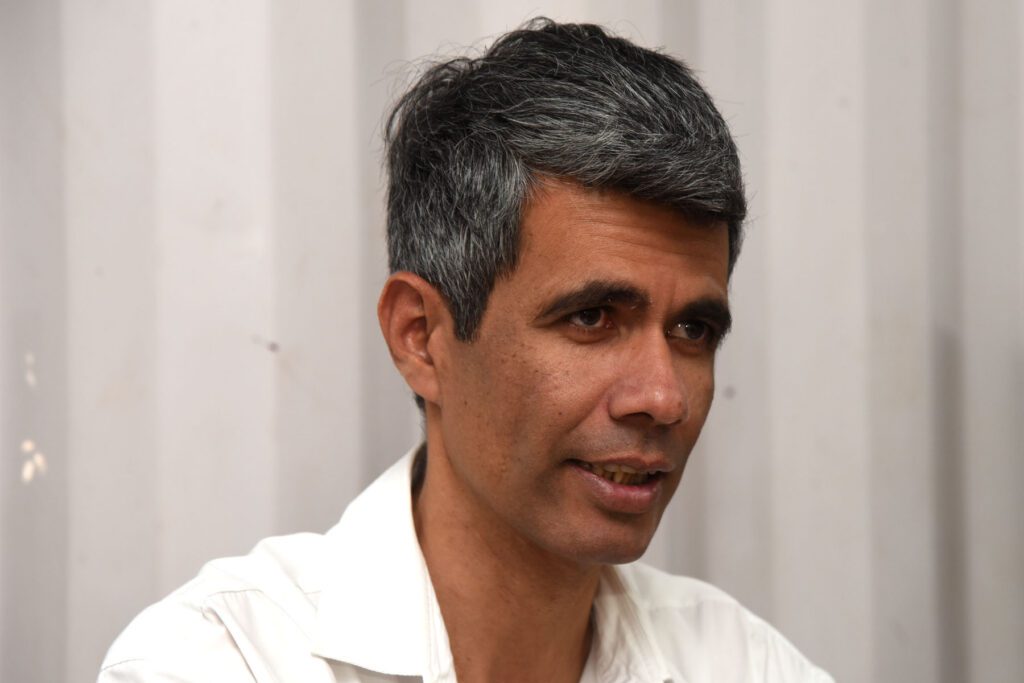
“The global appeal of Formula 1 has surged in India, driven in large part by the success of Netflix’s Drive to Survive and Formula 1’s savvy social media strategy. The sport’s visibility has expanded significantly, particularly among younger audiences.”
“Awareness of Formula 1 in India has grown dramatically. At least half the population now recognises names such as Lando Norris, something that would have been unthinkable a decade ago. The rise of influencers and content creators, many of whom focus on motorsport, has also amplified this reach, helping to cultivate a new, vibrant motorsport culture across the country.”
– RAYOMAND BANAJEE
However, while opportunities for aspiring drivers in India are growing, Banajee, also acknowledges the substantial financial demands required to progress up the motorsport ladder. “A season in Formula 4 can cost around €200,000, and as drivers climb higher, the financial barriers become increasingly steep,” Banajee explains. “Formula 3, or its regional equivalent, ranges from €450,000 to €500,000, while higher-end Formula 3 can cost between €900,000 and €1.5 million. The leap to Formula 2 can push costs upwards of €2 million.”
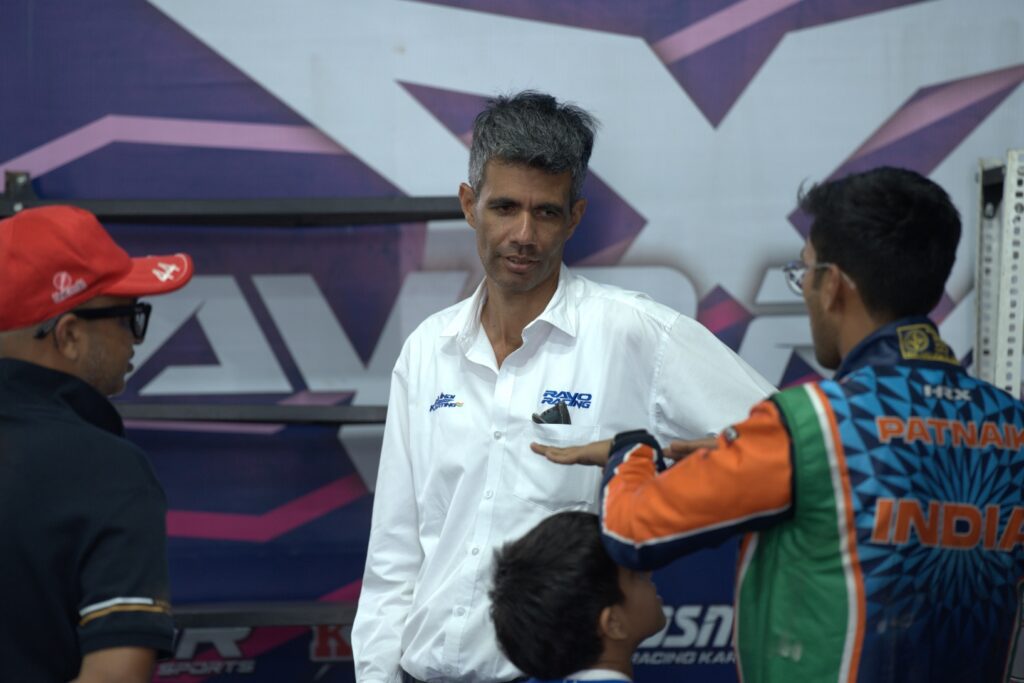
For many young drivers, securing sponsorship is crucial to navigating these financial hurdles. “Sponsorships can come from personal backers, team-backed scholarships, or professional opportunities provided by the teams themselves,” says Banajee. “The reality is that motorsport requires a blend of financial resources, raw talent, and strong relationships within the motorsport community to succeed. Every driver’s journey is shaped by these interconnected factors,” he says.
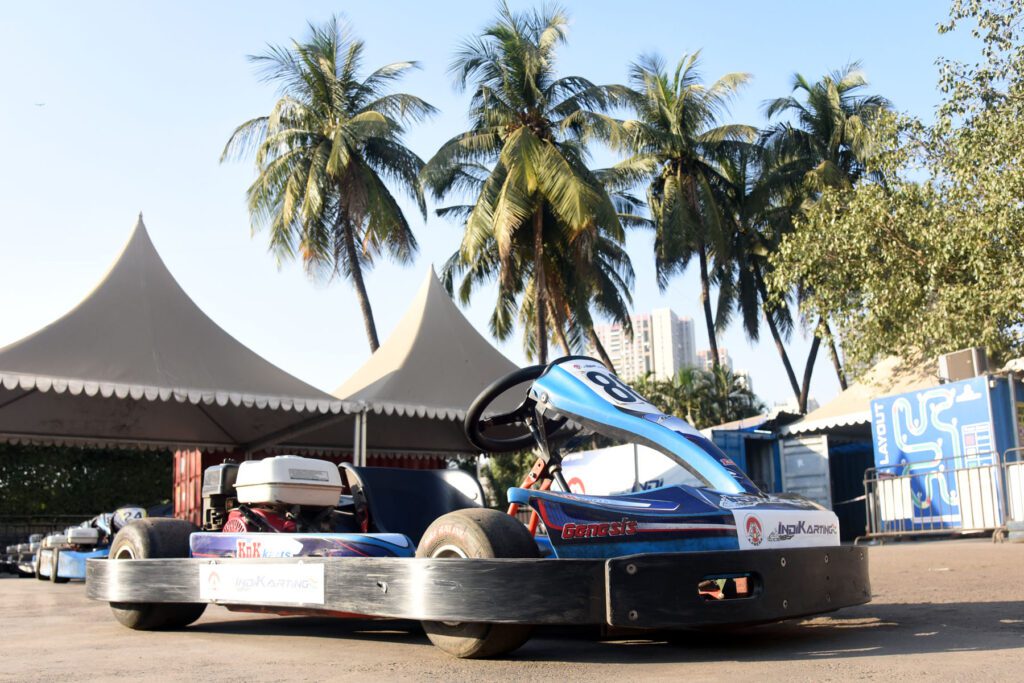
“At the grassroots level, four-stroke karting in India can be started with a modest investment of INR 10,000–15,000. However, serious competition, entailing kart ownership, professional coaching, and full-season commitment, raises annual costs to around INR 4–5 lakh. Most drivers at this stage keep their karts at the circuit, where they receive setup and preparation guidance.”
“In contrast, two-stroke karting demands a much larger investment, starting at INR 20 lakh per season. International events add an additional INR 3.5–7 lakh per race. Despite these high costs, grid sizes remain healthy, and India holds its own compared to other Asian countries like Malaysia, Thailand, and Indonesia, though Europe operates on a larger scale.”
– RAYOMAND BANAJEE
Yet Banajee remains optimistic about the diversity of opportunities within motorsport. “Unlike many other sports, motorsport offers a unique perspective,” he says. “Not every driver in racing is aiming for Formula One glory, much like in tennis where not every player is chasing Wimbledon, or in cricket where not everyone dreams of playing in the World Cup. Motorsport is multifaceted, with a variety of disciplines to explore and enjoy.”
Ultimately, Banajee emphasises that success in motorsport is as much about passion and commitment as it is about age. “Whether you’re a seasoned veteran or a newcomer, the driving force behind success in motorsport is the level of dedication you bring to the track,” he asserts. “Age is irrelevant when you have the right mindset and the commitment to constantly improve,” says Banajee.
While Banajee’s name is synonymous with racing and mentoring, Banajee has also carved a niche in the world of media and customer experience driving, that has become a significant aspect of his professional portfolio.
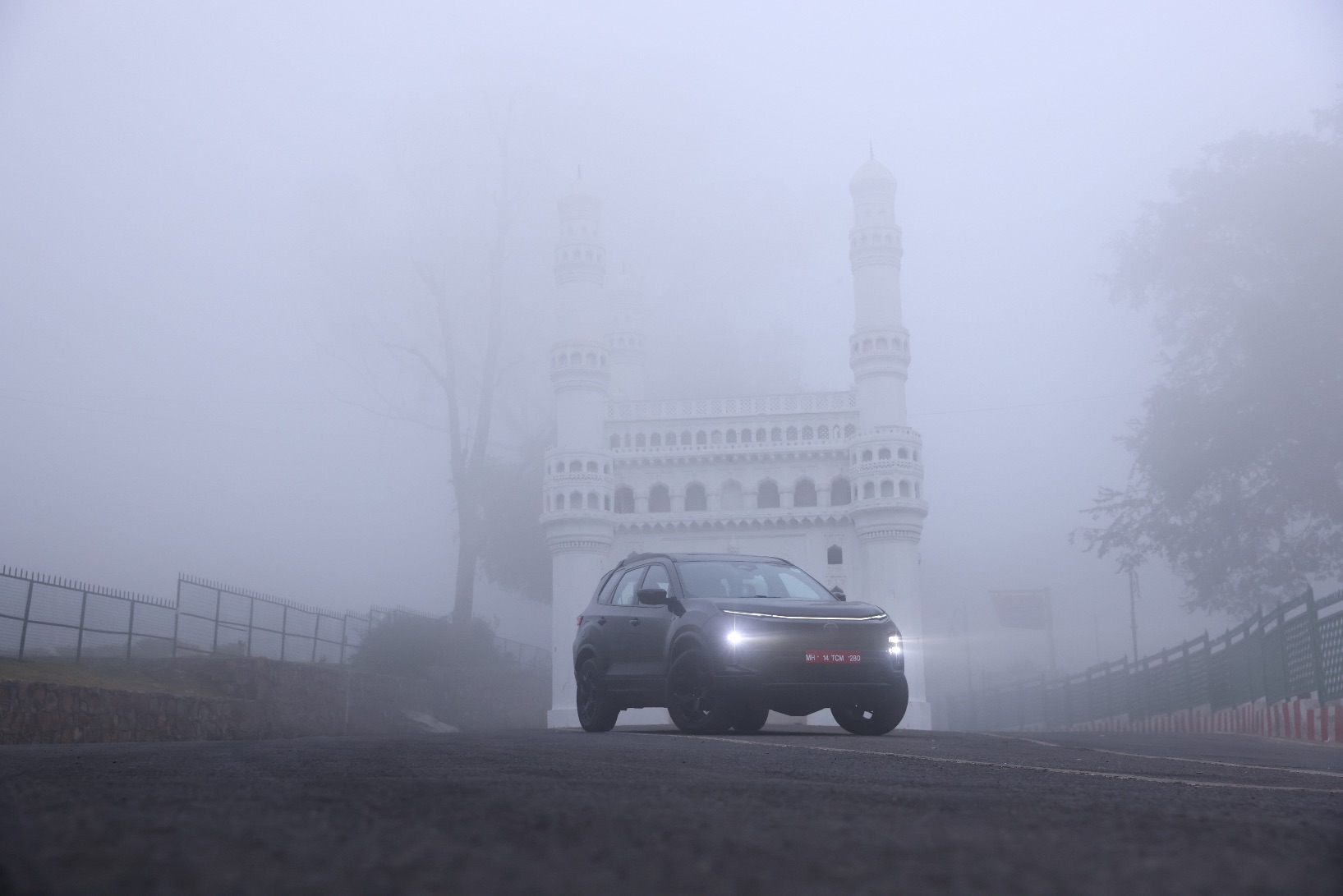
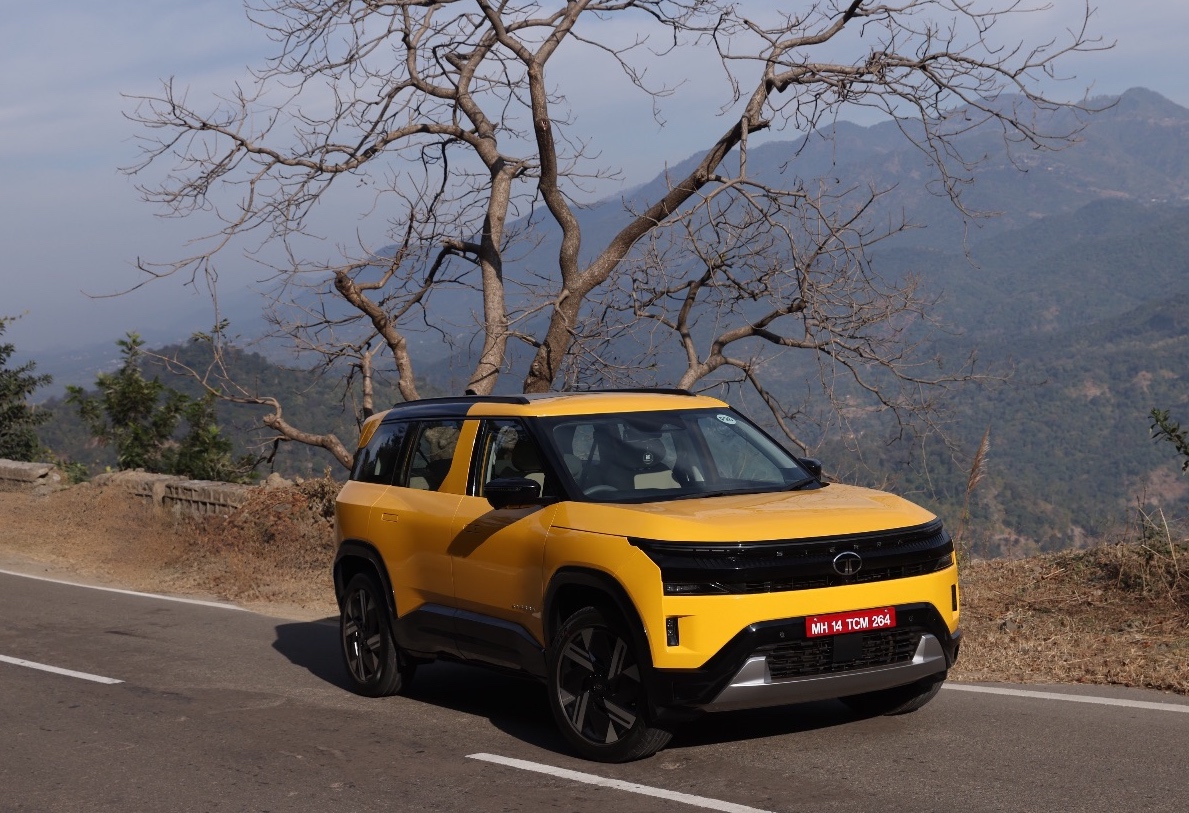
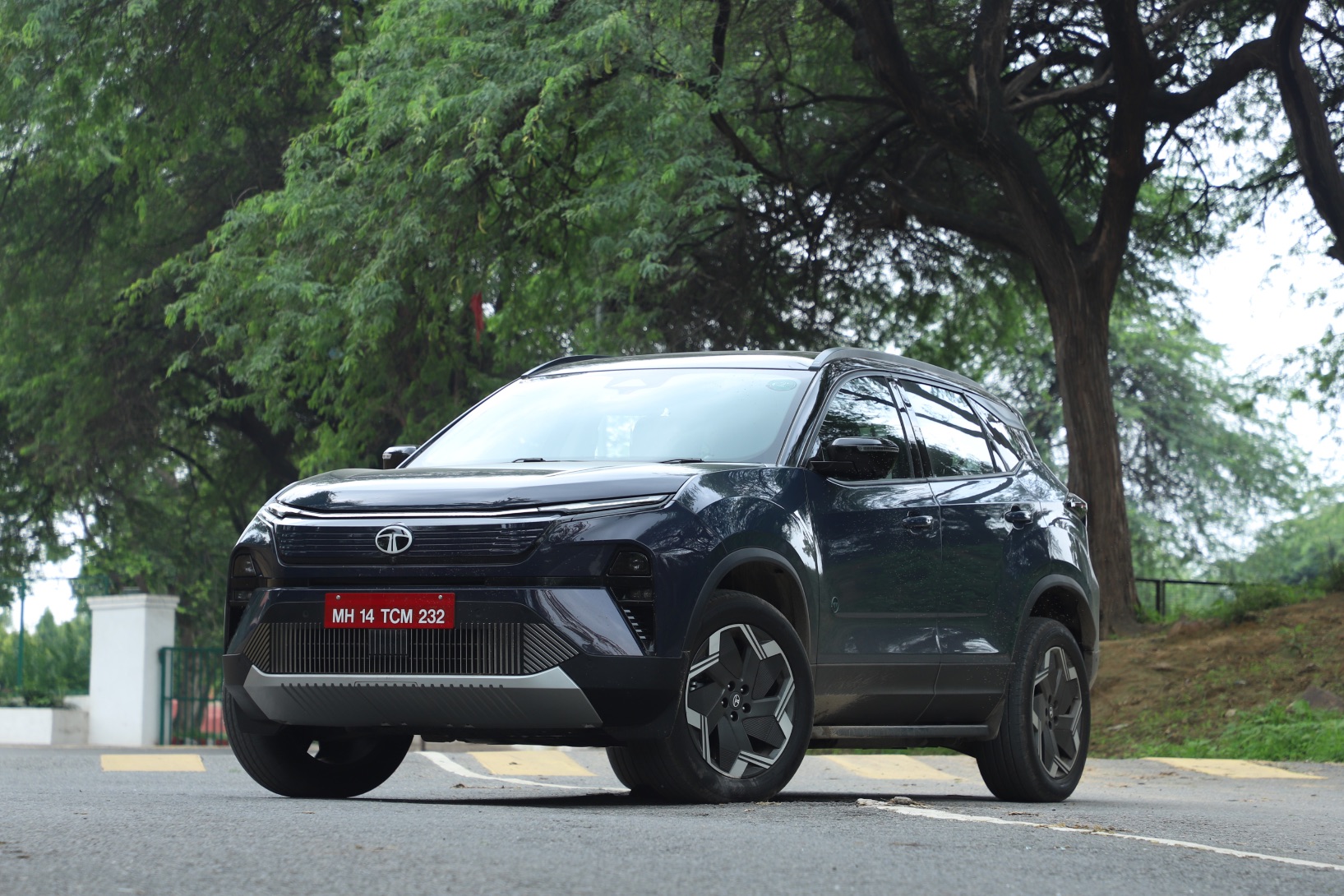
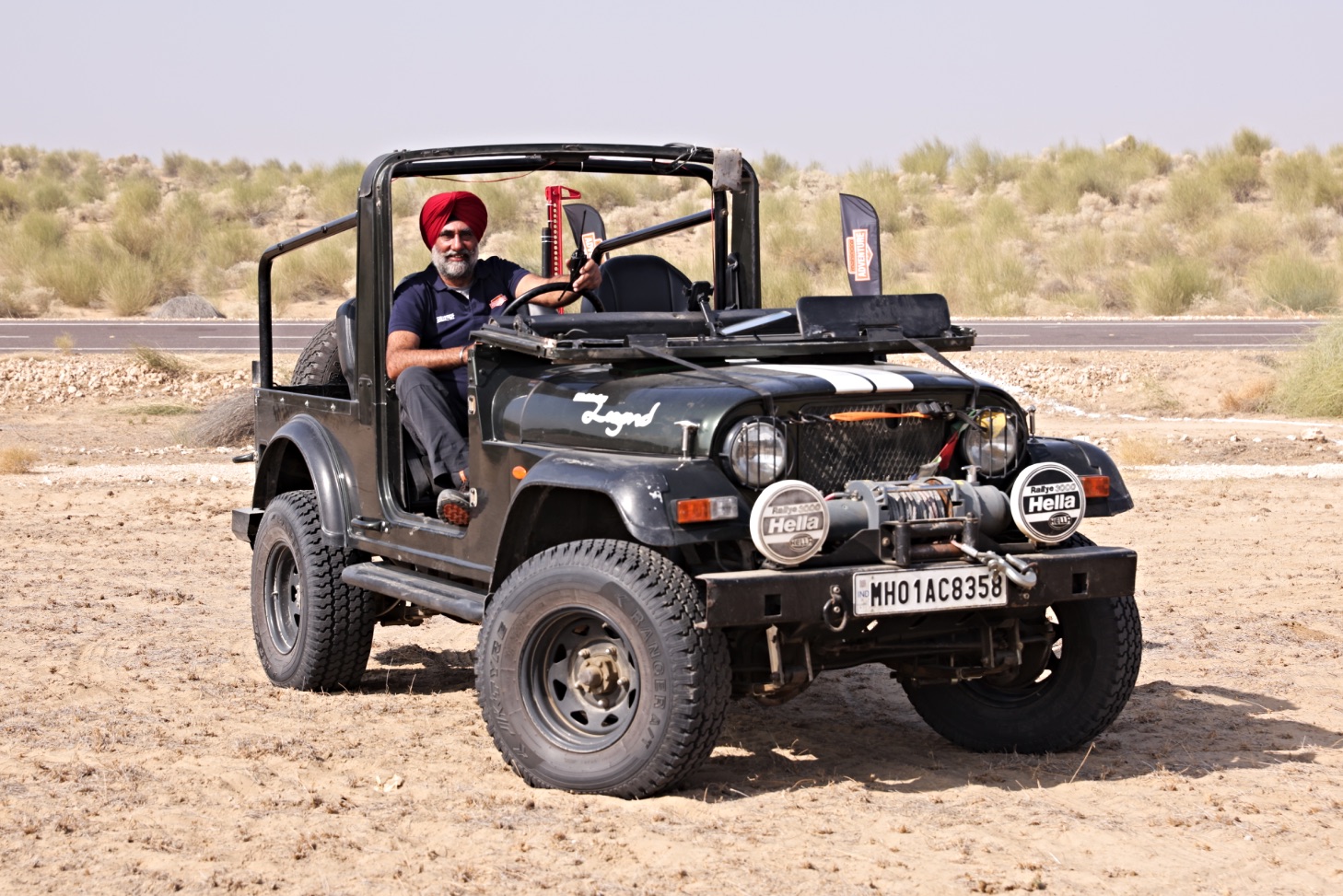
Banajee has been doing this for a few years now; spurred by a pivotal moment when Porsche held their World Roadshow in India. The renowned car manufacturer needed instructors to showcase their vehicles, and Banajee, was offered the opportunity to become one of the instructors. “This opportunity quickly expanded into a broader range of activities for various brands,” explains Banajee. Initially focused on media events designed to highlight the features of high-performance cars, his role evolved to include customer driving experiences, further honing his expertise of motorsport and customer engagement.
In his current role, Banajee works closely with Original Equipment Manufacturers (OEMs), receiving detailed briefings on the features they wish to showcase on their vehicles. From there, he collaborates with the brands to design on-track and off-road experiences that allow the cars to demonstrate their full potential. “Logistics are crucial, ensuring ample time for each participant to experience the vehicle,” notes Banajee. “While OEMs provide direction, the execution and seamless flow of the event are our responsibility,” he says.
“Only those with proven motorsport achievements are selected to guide participants. This ensures that the experiences we offer are both educational and exhilarating.”
Rayomand Banajee, Founder, Rayo Racing, Indi Karting, and IR-E Sports
With Banajee’s extensive motorsport background, managing the risks inherent in high-intensity driving is second nature. Safety is paramount, particularly in India, where driving skills vary significantly. “Each event is meticulously planned, with logistics, scheduling, and safety measures carefully coordinated,” he explains. “We ensure that standby ambulances and fire equipment are available, and every element of the event is designed to give participants a thrilling yet safe experience,” says Banajee.
In India, where the range of driving expertise can vary dramatically, Banajee, stresses on the importance of qualified instructors. “Sessions typically last a couple of hours, though shorter, more immersive experiences are often tailored for guests who have travelled long distances,” says Banajee.
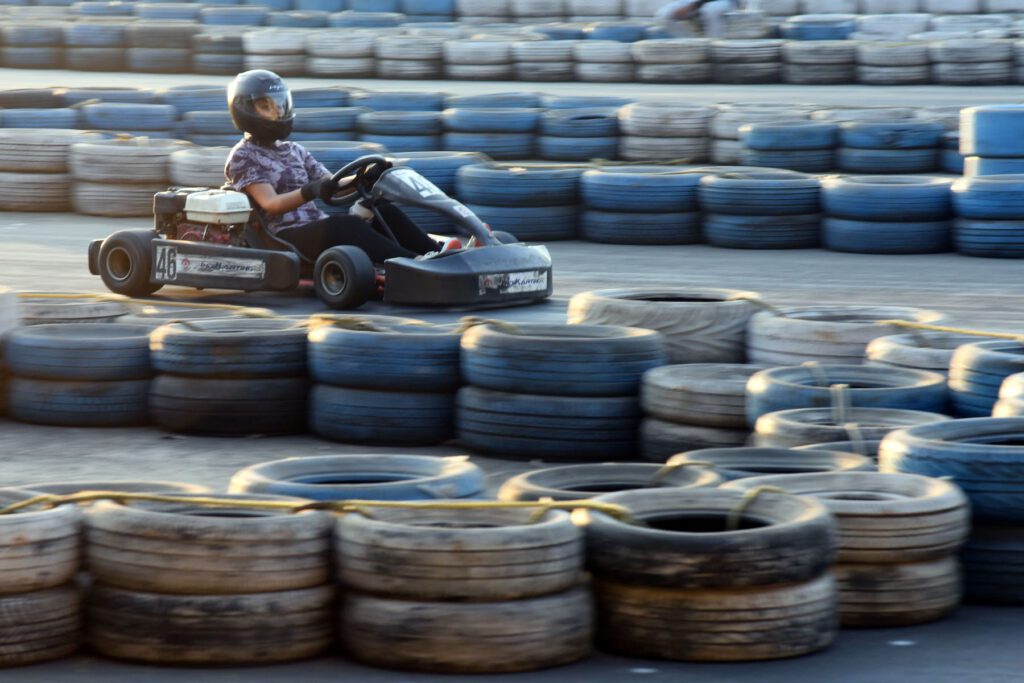
Banajee is particularly optimistic about the increasing participation of women in motorsport, an area where the sport offers rare equality of opportunity. “Motorsport is notable for allowing women to compete on equal terms with men,” he points out. “Programs such as FIA’s ‘Women in Motorsport’ which fields a fully female racing grid, are gradually increasing female representation. While it may take time for another woman to reach Formula 1, these initiatives are building on the legacy of pioneers such as Michelle Mouton,” says Banajee.
Reflecting on India’s involvement in Formula 1, Banajee acknowledges the contributions of Vijay Mallya, whose leadership propelled the Force India team to notable success. “Under his leadership, Force India achieved a third-place finish in the Constructors’ Championship, and his partnership with Sahara India provided opportunities for emerging drivers such as Jehan Daruvala. Though the team’s eventual decline limited these opportunities, Mallya’s legacy remains a defining chapter in the history of Indian motorsport,” says Banajee.
“Vijay Mallya’s vision was instrumental in putting India on the Formula 1 map.”
Rayomand Banajee, Founder, Rayo Racing, Indi Karting, and IR-E Sports
Despite these successes, Banajee is candid about the challenges that still impede the growth of Indian motorsport. “Infrastructure remains the primary constraint,” he asserts. “For comparison, France, which is roughly the size of Maharashtra, has over 100 circuits longer than 900 metres. In contrast, India has only five or six, most of which have been developed in the past two years.” The slow but steady expansion of track facilities, however, offers hope for the future. As these facilities grow, Banajee is confident that the potential for wider participation in karting and other forms of motorsport will increase significantly, thereby unlocking further opportunities for Indian drivers.
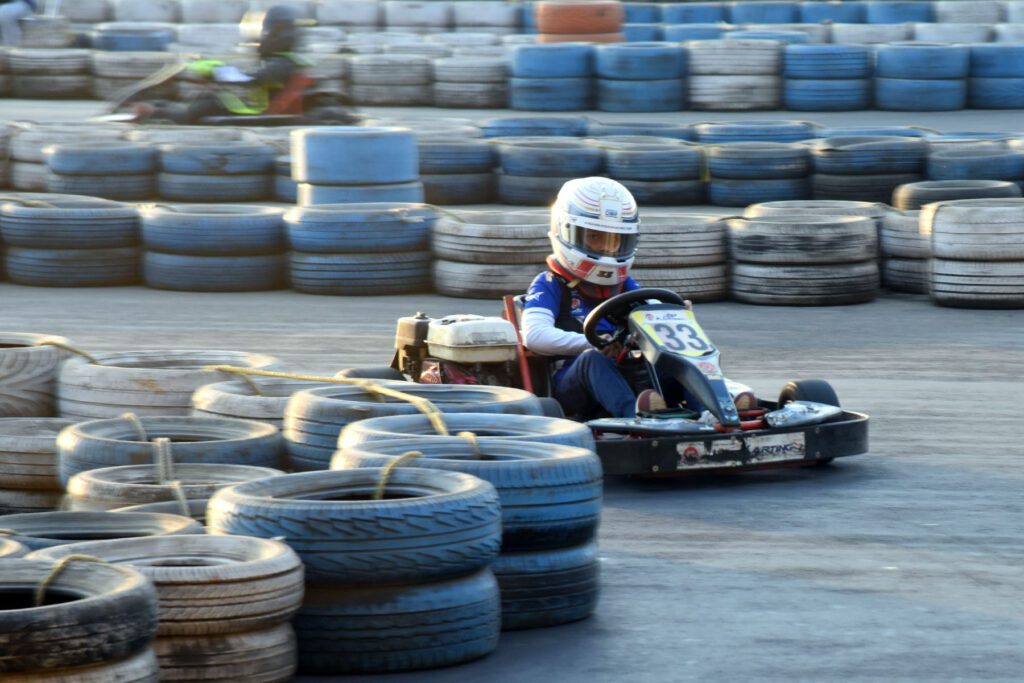
As the landscape of motorsport continues to evolve, Banajee’s multifaceted role spanning racing and mentoring, remain integral to shaping the future of the sport in India. Banajee’s contributions are fostering an environment where both aspiring drivers and motorsport enthusiasts can thrive, thereby pushing the boundaries of possibilities in Indian motorsport.
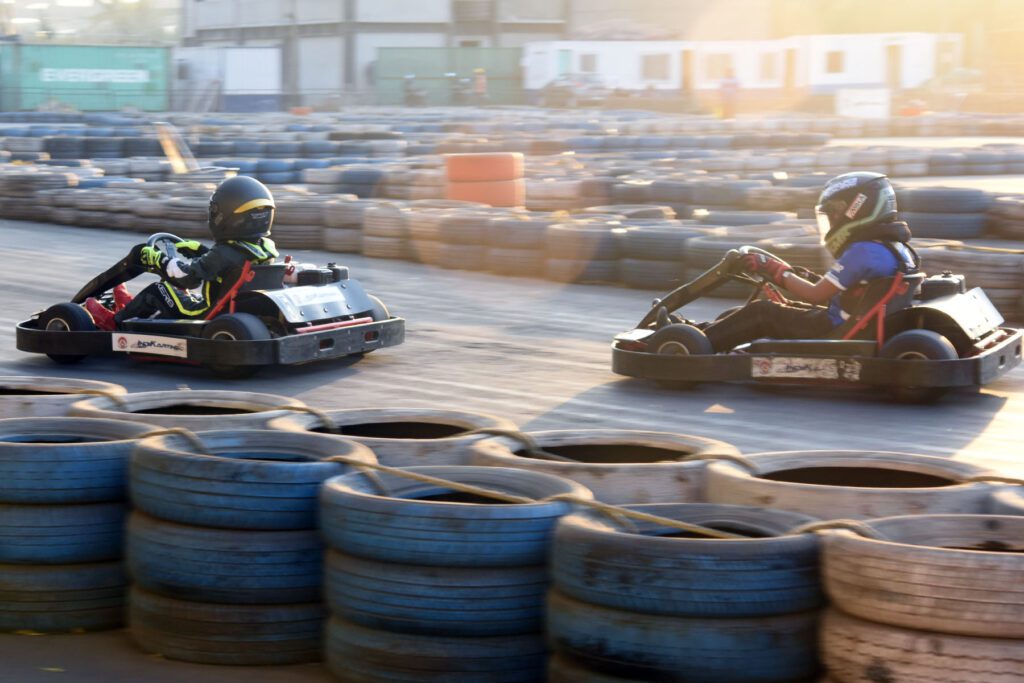
Also, with Banajee’s vision for the future remaining clear, the next generation of drivers definitely seem better equipped than ever before to succeed. Whether their ultimate goal is to race in Formula 1, or to pursue a successful career in other motorsport categories, the opportunities are becoming increasingly abundant. Through rigorous training, strategic partnerships, and a steadfast commitment to safety, Banajee is cultivating talent and also ensuring that the next generation of drivers is equipped to succeed in one of the world’s most challenging and exciting sports.
Latest
-
 Suzuki Matsuri returns to Mumbai with New Burgman Street reveal and high-energy rider festival
 -
Nissan India expands network with 54 New Customer Touchpoints across India in Q1 of CY 2026
-
Vingroup – Maharashtra sign USD 6.5 Billion MOU to accelerate EV mobility and urban expansion
-
Hyundai Grand i10 NIOS VIBE Edition launched in India with segment-first Dashcam and distinctive styling
-
MG Majestor sets Guinness World Record by pulling 406-tonne train