

FADA Auto Retail Conclave 2026 puts dealers at the centre of India’s mobility future
The FADA Auto Retail Conclave 2026 brought India’s automotive retail ecosystem into sharp focus, with policymakers, OEMs and Dealers examining the forces shaping the sector’s next decade. Under the theme "BHARAT: Inclusive Mobility, Inspired Growth," the conclave spotlighted dealer sustainability, technology, workforce development and stronger industry collaboration as key pillars of India’s evolving mobility story.
02/09/2026
No Comments
NEW DELHI
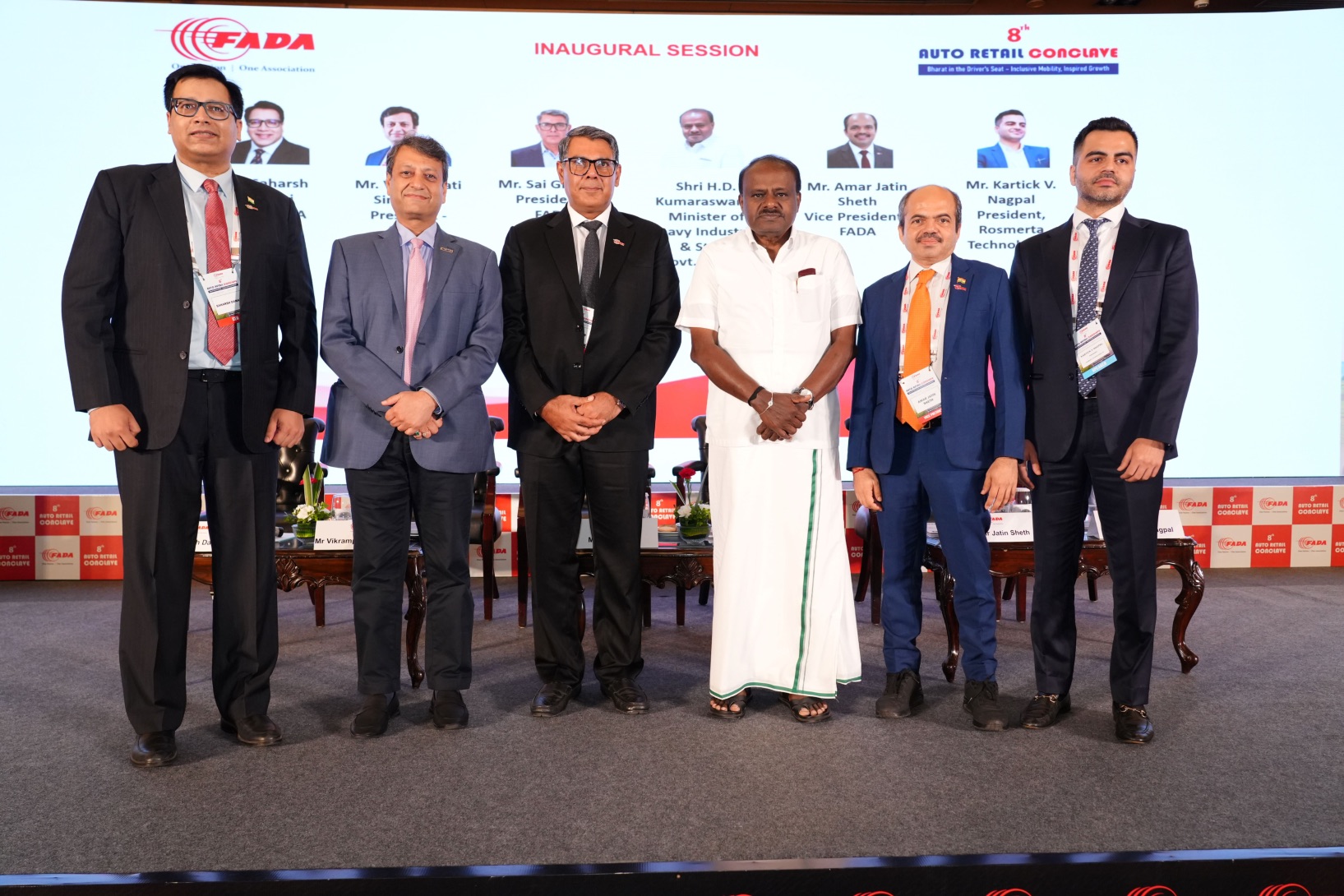
The Federation of Automobile Dealers Associations (FADA) 8th Auto Retail Conclave 2026 brought together policymakers, industry leaders, automobile manufacturers, Dealers and ecosystem partners to deliberate on the future of India’s automotive retail sector under the theme “BHARAT: Inclusive Mobility, Inspired Growth.”
The conclave highlighted the critical role Dealers play in expanding mobility access, driving employment, supporting entrepreneurship and enabling India’s evolving automotive ecosystem.
The event featured the presence of Shri H. D. Kumaraswamy, Hon’ble Union Minister for Heavy Industries & Steel, Government of India, as Chief Guest, alongside senior leaders from the automotive industry and allied sectors. During the inaugural session, FADA unveiled the FADA Digest 2026, commemorative editions of Kaleidoscope, and launched the FADA Employee ID Programme, a first-of-its-kind initiative aimed at creating a professional identity and structured career pathway for employees across automobile retail.
Addressing the gathering, Mr. Sai Giridhar, President, FADA, emphasised the need for stronger collaboration between Dealers, OEMs and government stakeholders as automotive retail enters a period of significant transformation.
“The next decade will profoundly transform automobile retail. Technology, consumer expectations, business models and mobility solutions are all evolving at an unprecedented pace. Yet one thing remains unchanged: the dealer continues to be the bridge between the automobile industry and the consumer. As we build the future of mobility in Bharat, dealer sustainability, fair OEM partnerships, employee development and ease of doing business must remain at the center of industry growth. FADA will continue to champion a strong, balanced and future-ready auto retail ecosystem that enables Dealers not just to survive, but to thrive.”
Speaking at the conclave, Shri H. D. Kumaraswamy, Hon’ble Union Minister for Heavy Industries & Steel, Government of India, underscored the importance of collaboration in accelerating India’s mobility ambitions.
“India’s mobility story is no longer confined to a few cities or segments. From two-wheelers to tractors, from conventional fuels to emerging technologies, Bharat is firmly in the driver’s seat of growth. Through thousands of dealerships and retail outlets across the country, the automotive ecosystem is generating livelihoods, fostering entrepreneurship and bringing prosperity closer to communities. This is not merely about producing vehicles; it is about creating value in India. As we move towards Viksit Bharat 2047, manufacturing excellence, inclusive growth and a relentless focus on the customer must guide every decision we take.” said Shri H. D. Kumaraswamy, Hon’ble Union Minister for Heavy Industries & Steel, Government of India.
FADA also presented insights from its 6th Dealer Satisfaction Study (DSS’26) and hosted a high-level discussion, “DSS’26: Beyond Satisfaction – Reimagining the Dealer-OEM Partnership,” featuring senior executives from leading automotive manufacturers.
The study reinforced the need for transparent communication, sustainable dealership economics, collaborative planning and stronger long-term partnerships between Dealers and OEMs.
The conclave further highlighted opportunities emerging from used-vehicle retail, electric mobility, digitisation, AI-enabled customer engagement and workforce development. FADA reiterated its commitment to strengthening dealer capabilities through research, industry advocacy, training initiatives and enhanced state-level engagement.
Latest
-
 Mahindra XUV 7XO redefines what a family SUV can be
 -

 2026 Tata Tiago iCNG: When smart engineering elevates your daily driver
 -
 Why the New-Gen Tata Tiago Petrol feels like a true driver’s car
 -
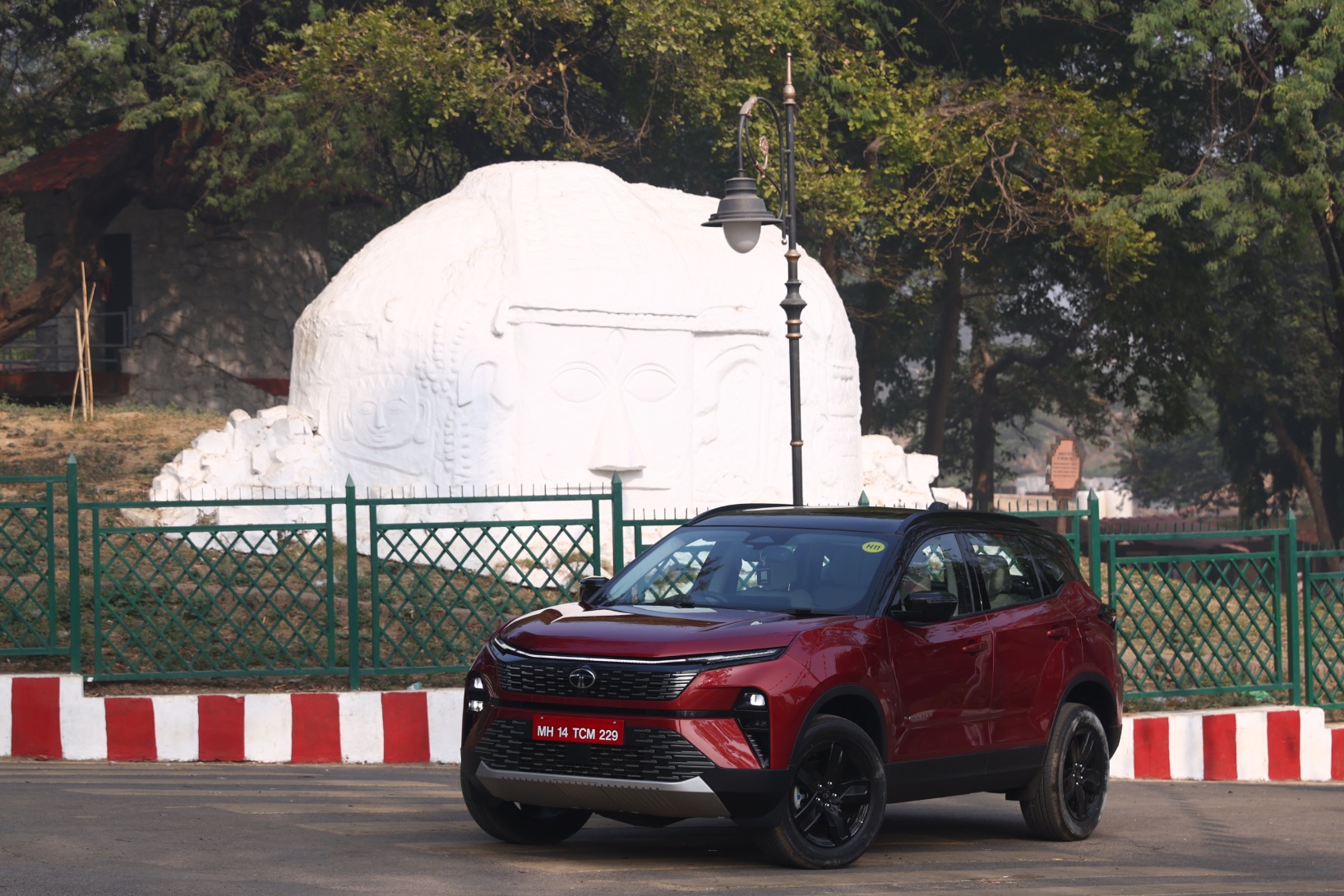 Tata Harrier Petrol Review: A Sophisticated New Chapter
 -
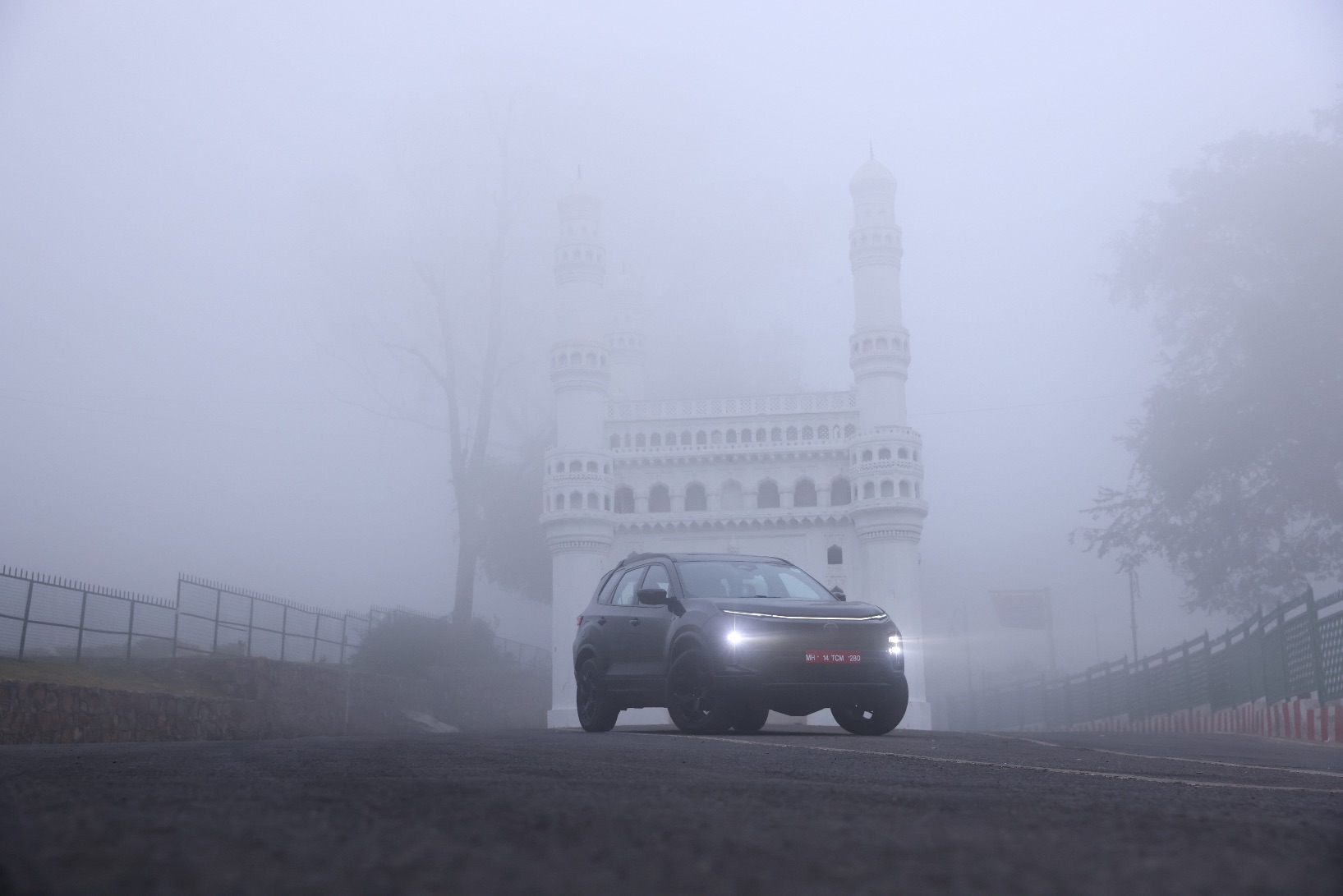 Can a 1.5-Litre Petrol engine do justice to the Tata Safari?
-
 Saurabh Vatsa on Nissan India’s resurgence, Tekton, Gravite, and the roadmap ahead
 -
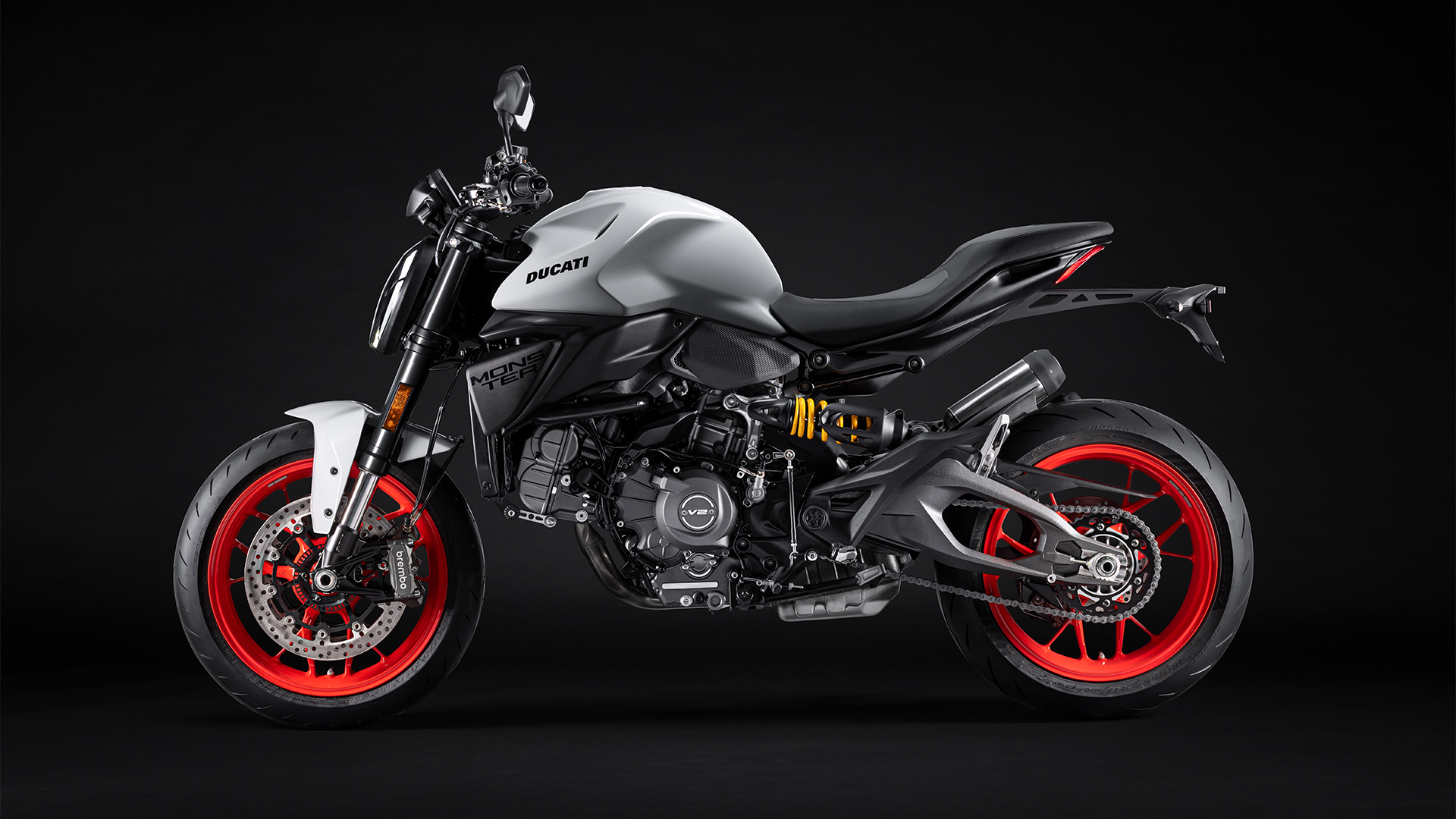 Ducati Monster enters its fifth generation with new V2 engine and lighter chassis
 -
 How the new Audi Q9 redefines the luxury SUV experience
 -
 Nissan Tekton sets the stage for the brand’s next growth phase
 -
 2026 Ducati Multistrada V4 Rally blends luxury touring with hardcore adventure
Leave a Reply
You must be logged in to post a comment.