

Maruti Suzuki expands green manufacturing with 1 MWh battery energy storage system
Further reinforcing its long-term commitment to sustainable manufacturing and India's clean energy transition, Maruti Suzuki India Limited has commissioned a 1 MWh Battery Energy Storage System (BESS) at its Kharkhoda manufacturing facility. The initiative complements the company's renewable energy investments, improves energy utilisation and supports lower manufacturing emissions as production volumes continue to grow.
08/07/2026
No Comments
KHARKHODA/ NEW DELHI
Continuing its strategic push towards strengthening India’s green energy ecosystem, Maruti Suzuki India Limited has commissioned a 1 MWh Battery Energy Storage System (BESS) at its Kharkhoda manufacturing facility. The latest development marks another significant step in the company’s broader sustainability roadmap, enhancing renewable energy utilisation while supporting greater operational efficiency.
Earlier in 2025, Maruti Suzuki installed a 20 MWp solar power project at the Kharkhoda facility as part of its expanding clean energy portfolio. While the solar installation generates electricity throughout the year, including during plant holidays, the absence of electricity demand during such periods limits the immediate utilisation of the power produced.
The newly commissioned Battery Energy Storage System has been introduced to address precisely this challenge. By storing surplus electricity generated during periods of low demand or facility holidays, the system enables the energy to be deployed whenever operational requirements arise. Beyond improving renewable energy utilisation, the BESS is also expected to contribute towards enhanced grid stability.
Implemented as a pilot initiative, the Battery Energy Storage System has been seamlessly integrated into the Kharkhoda facility’s internal electricity distribution network, allowing Maruti Suzuki to evaluate its long-term operational benefits while strengthening the manufacturing site’s energy resilience.
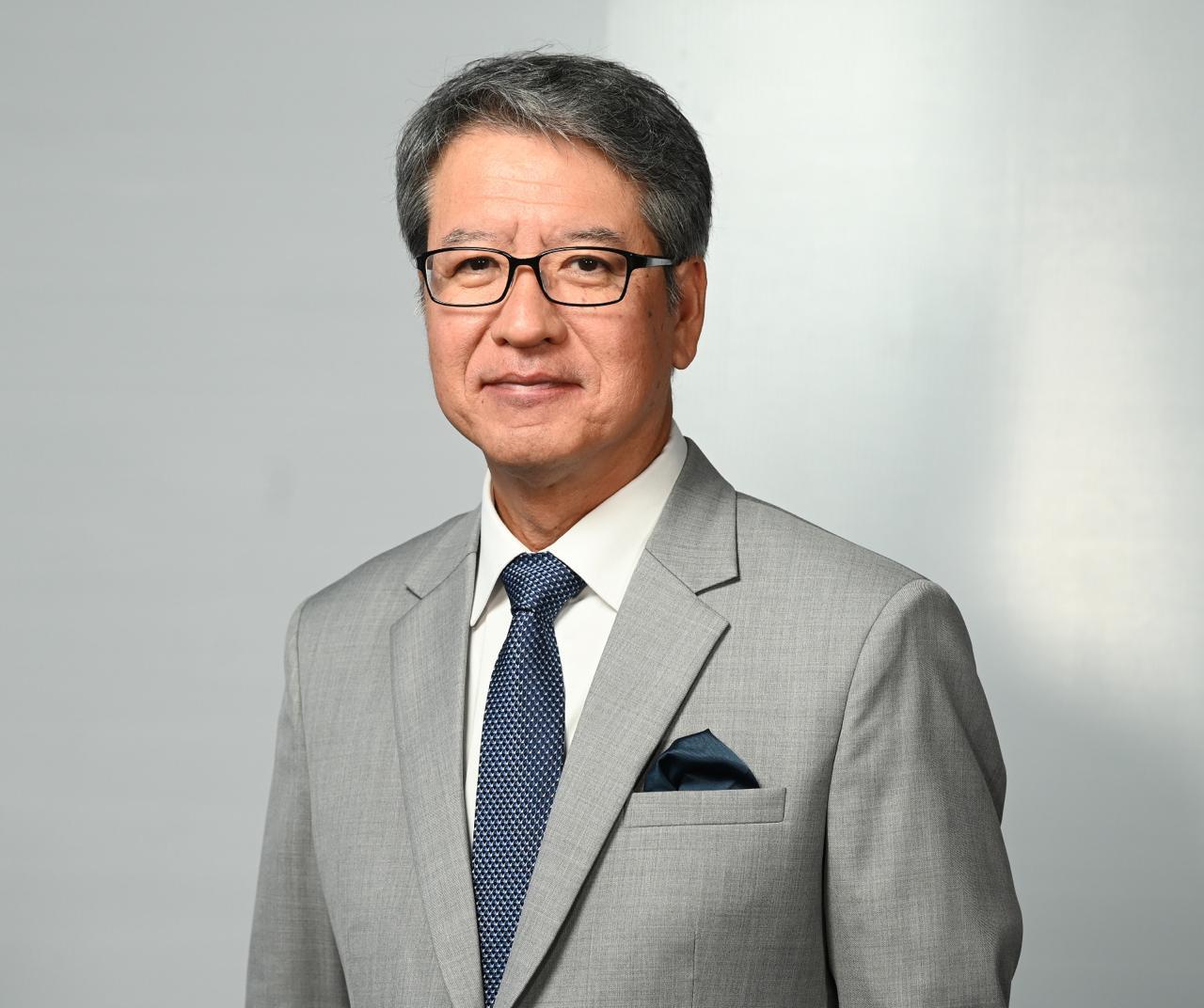
Announcing the initiative, Mr. Hisashi Takeuchi, Managing Director & CEO, Maruti Suzuki India Limited, said, “Maruti Suzuki is strongly aligned with India’s focus on building self-reliant energy ecosystems. The introduction of Battery Energy Storage System (BESS) at our Kharkhoda facility is part of these continued efforts. With a lifecycle of about 15 years, BESS will help to reduce nearly 54 tonnes of CO₂ emissions annually.^”
The initiative also underlines Maruti Suzuki’s continued commitment to reducing the environmental impact of its manufacturing operations, even as production volumes are expected to expand in the coming years.
He added, “Going forward, our production volumes will increase from current levels. Despite this, we remain committed to lower Scope 1 & 2 emissions* not only in terms of CO2 intensity but also in absolute CO2 emission in manufacturing. Our approach is in line with our parent company, Suzuki Motor Corporation’s environmental vision, which has set an intermediate target to reduce Scope 1 & 2 CO2 emissions by 42% by FY 2030-31 compared to FY 2022-23.”
The commissioning of the Battery Energy Storage System represents another important milestone in Maruti Suzuki’s evolving decarbonisation journey. By combining renewable energy generation with energy storage technologies, the company is building a more resilient manufacturing ecosystem while aligning its sustainability ambitions with India’s broader clean energy objectives and the environmental vision of Suzuki Motor Corporation.
Latest
-
 Mahindra XUV 7XO redefines what a family SUV can be
 -

 2026 Tata Tiago iCNG: When smart engineering elevates your daily driver
 -
 Why the New-Gen Tata Tiago Petrol feels like a true driver’s car
 -
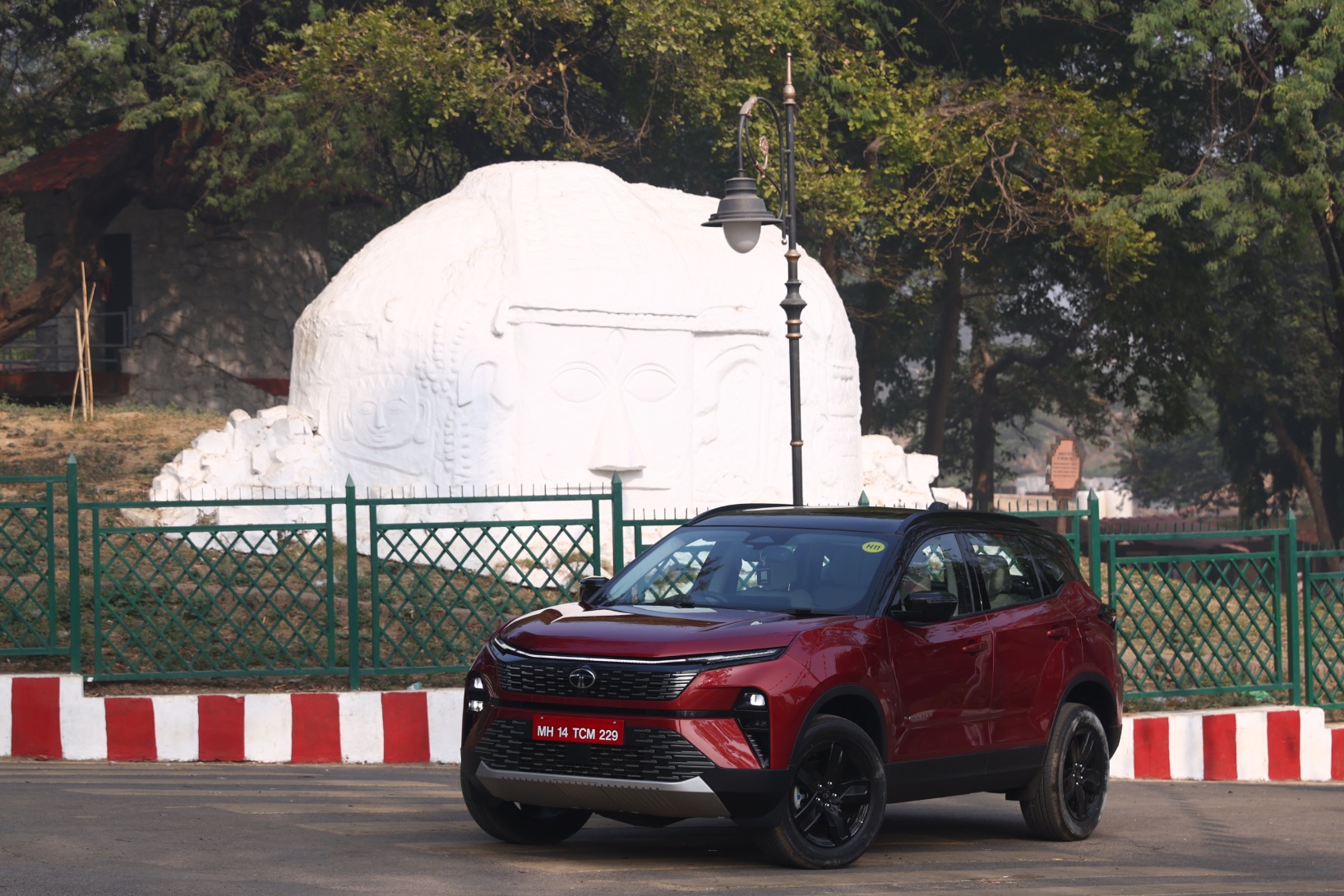 Tata Harrier Petrol Review: A Sophisticated New Chapter
 -
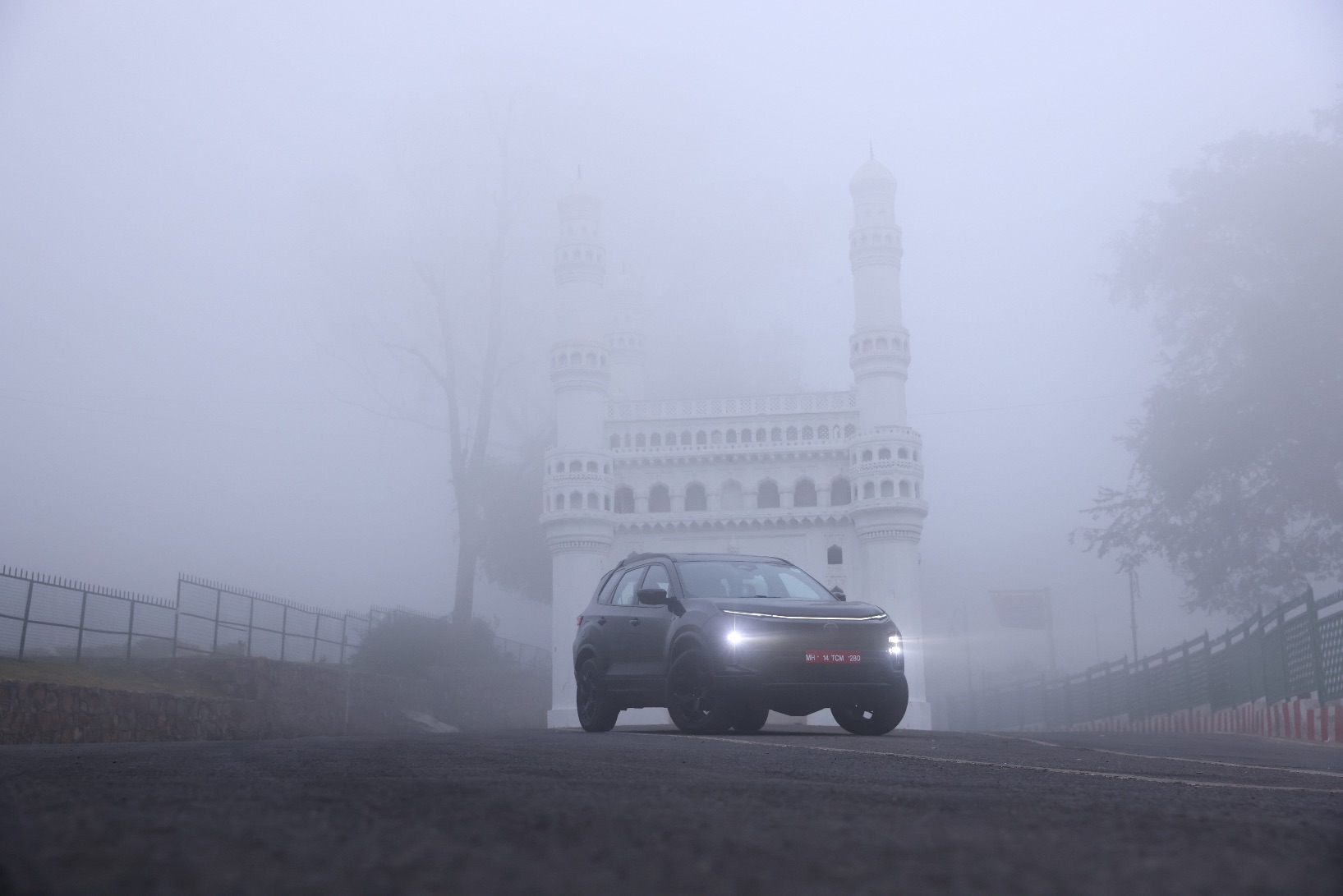 Can a 1.5-Litre Petrol engine do justice to the Tata Safari?


-
 Saurabh Vatsa on Nissan India’s resurgence, Tekton, Gravite, and the roadmap ahead
 -
 Ducati Monster enters its fifth generation with new V2 engine and lighter chassis
 -
 How the new Audi Q9 redefines the luxury SUV experience
 -
 Nissan Tekton sets the stage for the brand’s next growth phase
 -
 2026 Ducati Multistrada V4 Rally blends luxury touring with hardcore adventure
Leave a Reply
You must be logged in to post a comment.