

Toyota advances India’s sustainable mobility journey with 3 Lakh Hybrid vehicle sales
Toyota Kirloskar Motor has marked a major milestone in India’s evolving electrification landscape with cumulative sales of 3 lakh hybrid vehicles. The achievement reflects growing consumer confidence in self-charging hybrid electric vehicle technology, while reinforcing Toyota’s long-term commitment to sustainable mobility through its multi-pathway approach.
19/05/2026
No Comments
BANGALORE
Toyota Kirloskar Motor (TKM) today announced a significant milestone in its electrification and multi-pathway mobility journey, with cumulative hybrid vehicle sales in India crossing the 3 lakh mark. The achievement underscores the increasing acceptance of self-charging hybrid electric vehicle (SHEV) technology among Indian customers and signals a notable shift towards practical, lower-emission mobility solutions.
The milestone comes amid rising consumer awareness surrounding fuel efficiency, reduced emissions, enhanced driving dynamics, and ease of ownership — factors that continue to strengthen the appeal of hybrid technology in the Indian market. It also reaffirms strong customer confidence in the Toyota brand and the company’s sustained commitment to advancing greener mobility solutions through a diversified multi-pathway strategy.
Backed by more than three decades of global hybrid expertise, Toyota continues to remain at the forefront of practical electrification while pursuing its broader carbon neutrality ambitions. Globally, the company states that sales of over 38 million electrified vehicles have contributed to reducing more than 197 million tonnes of CO₂ emissions.
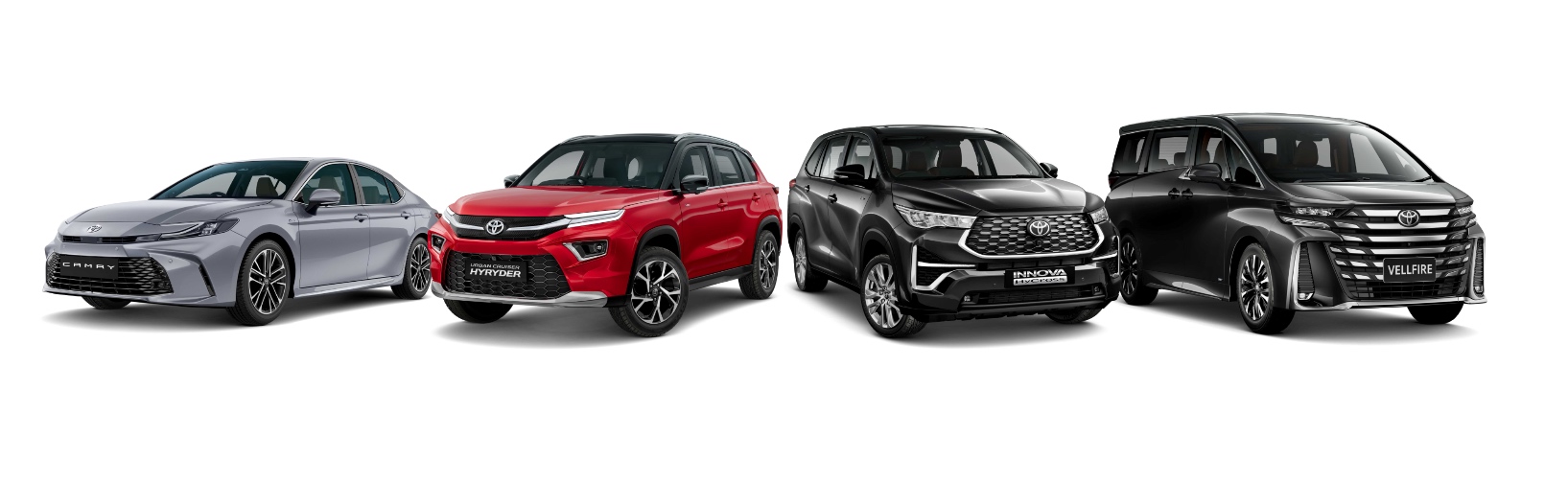
In India, acknowledging the country’s diverse mobility requirements and varying levels of infrastructure readiness, Toyota currently offers a broad hybrid electric vehicle portfolio comprising models such as the Toyota Urban Cruiser Hyryder, Toyota Innova HyCross, Toyota Camry Hybrid and Toyota Vellfire.
Commenting on the milestone, Mr. Sabari Manohar, Executive Vice President, Sales-Service-Used Car Business, Toyota Kirloskar Motor, said, “We are immensely proud to achieve the milestone of 3 lakh hybrid vehicle sales in India, reflecting the strong and growing customer trust in Toyota’s Self-charging Hybrid Electric technology. At Toyota, our philosophy of ‘Mass Electrification’ is rooted in offering practical, scalable, and inclusive mobility solutions. Hybrid technology serves as a critical bridge towards a cleaner future, enabling customers to embrace electrification seamlessly without compromising on performance, convenience, or reliability.
This achievement not only reinforces our commitment to environmentally responsible mobility but also strengthens our resolve to contribute meaningfully to India’s transition towards carbon neutrality.”
Toyota’s hybrid technology combines a petrol engine with an advanced electric motor, enabling both systems to work in harmony to deliver improved performance and efficiency. The technology intelligently alternates between, and combines, both power sources, allowing the vehicle to operate in electric mode for a substantial duration of everyday driving conditions. This results in enhanced fuel efficiency while simultaneously lowering environmental impact.
The self-charging capability further enhances convenience, with the battery automatically replenished through regenerative braking and engine power, thereby eliminating the requirement for external charging infrastructure. This also addresses concerns surrounding range anxiety, positioning hybrid vehicles as a practical and accessible mobility solution for daily use.
Further strengthening customer confidence, Toyota continues to offer an 8-year hybrid battery warranty, underscoring the durability, reliability, and long-term dependability of its hybrid electric vehicle technology.
Guided by its vision of ‘Mass Happiness to All,’ Toyota remains focused on developing greener and more efficient mobility solutions through a broad portfolio of electrified technologies. These include Hybrid Electric Vehicles (HEVs), Plug-in Hybrid Electric Vehicles (PHEVs), Battery Electric Vehicles (BEVs), Fuel Cell Electric Vehicles (FCEVs), as well as alternative fuel technologies such as Flex-Fuel Vehicles (FFVs), all aimed at supporting the transition towards lower-carbon mobility.
Latest
-
 Mahindra XUV 7XO redefines what a family SUV can be
 -

 2026 Tata Tiago iCNG: When smart engineering elevates your daily driver
 -
 Why the New-Gen Tata Tiago Petrol feels like a true driver’s car
 -
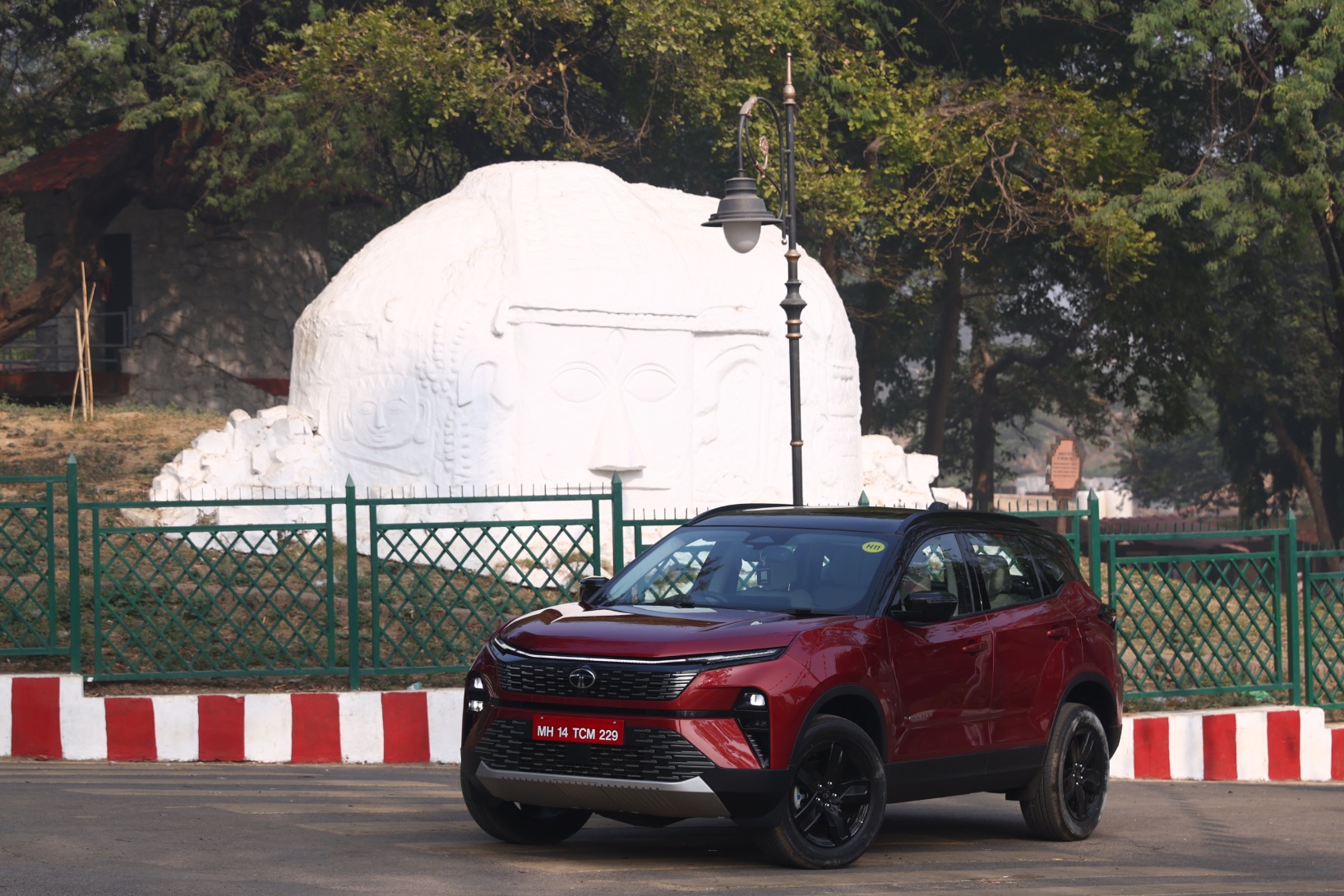 Tata Harrier Petrol Review: A Sophisticated New Chapter
 -
 Can a 1.5-Litre Petrol engine do justice to the Tata Safari?





-
 Ducati Monster enters its fifth generation with new V2 engine and lighter chassis
 -
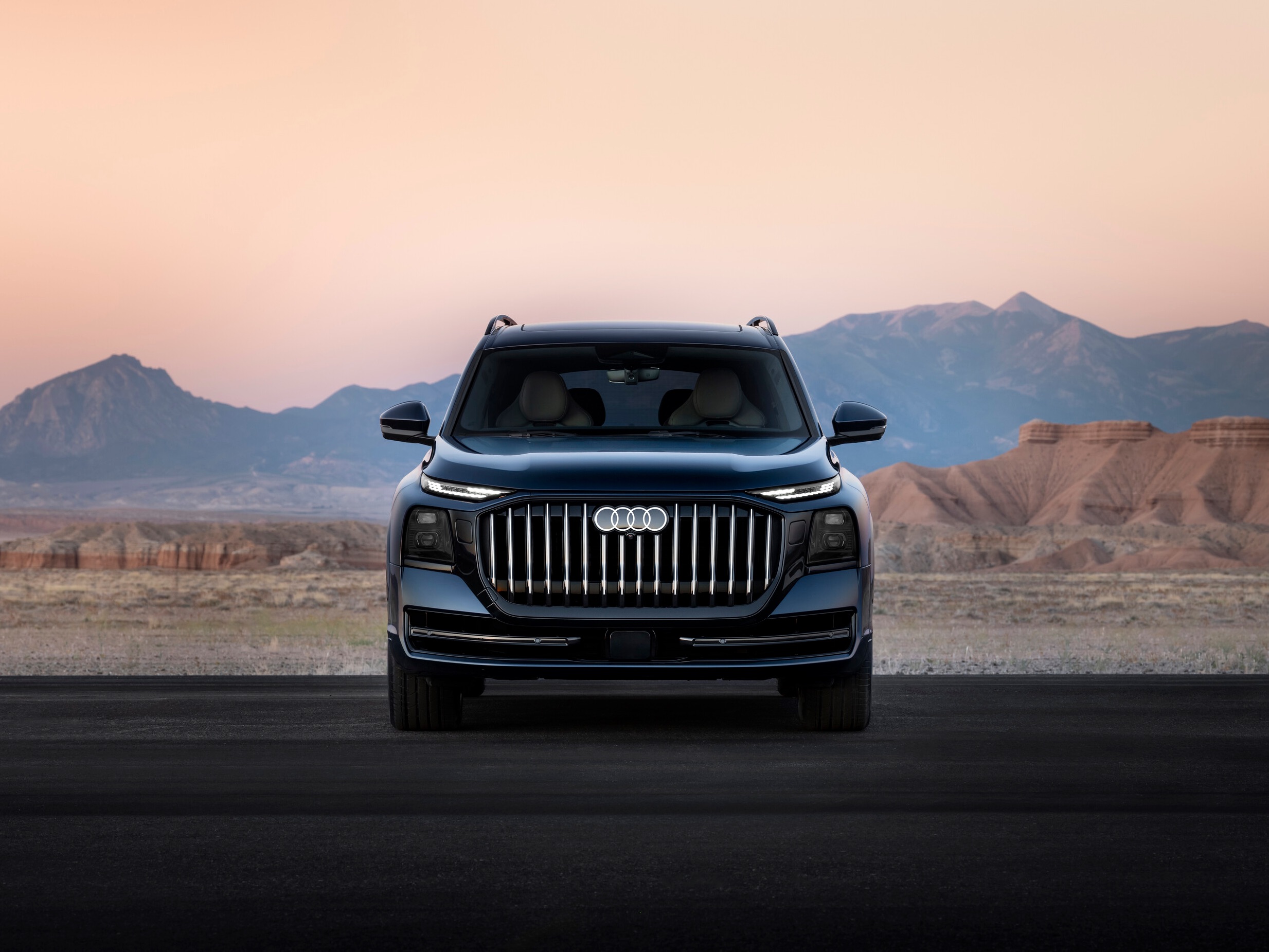 How the new Audi Q9 redefines the luxury SUV experience
 -
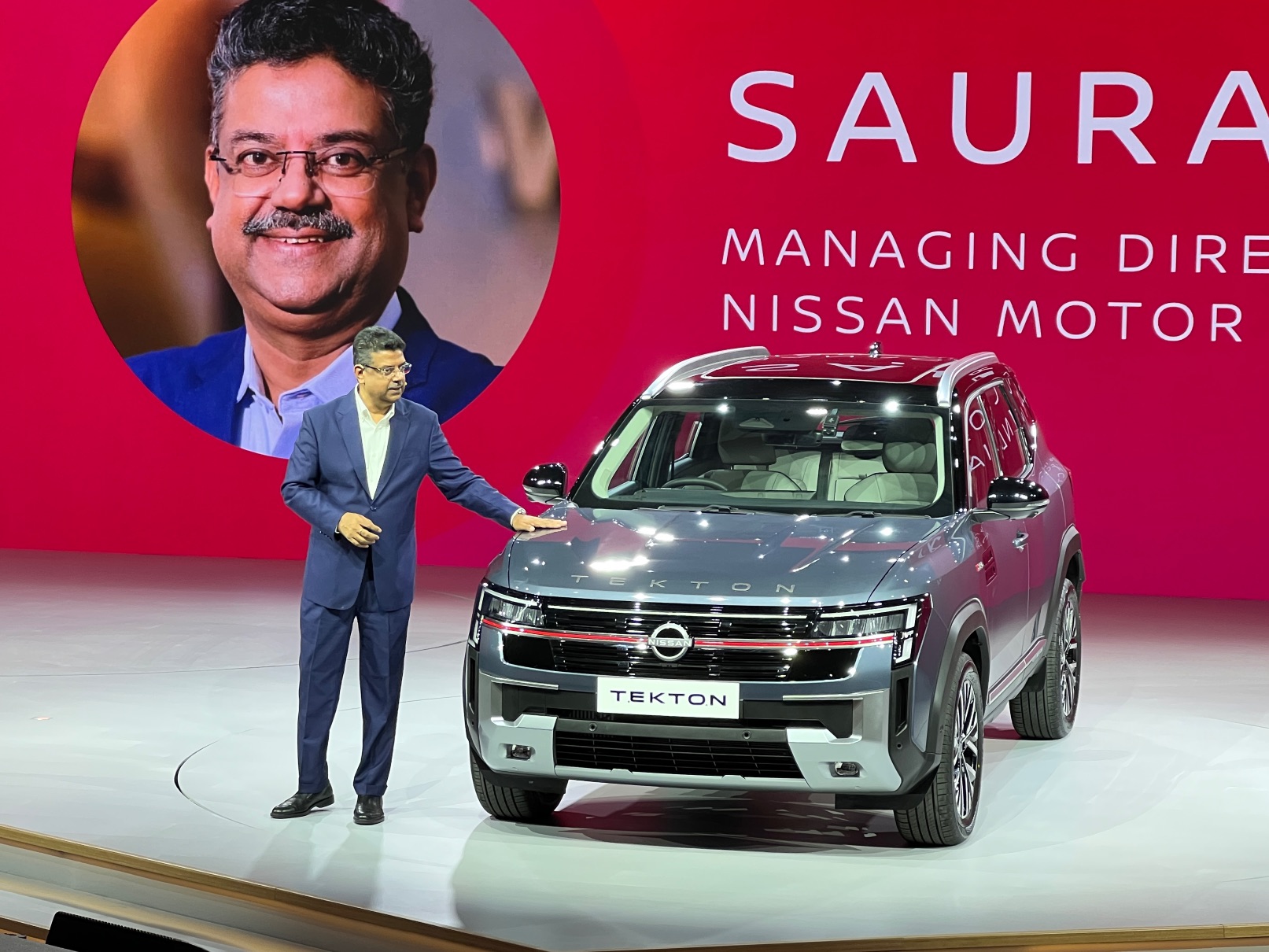 Nissan Tekton sets the stage for the brand’s next growth phase
 -
 2026 Ducati Multistrada V4 Rally blends luxury touring with hardcore adventure
 -
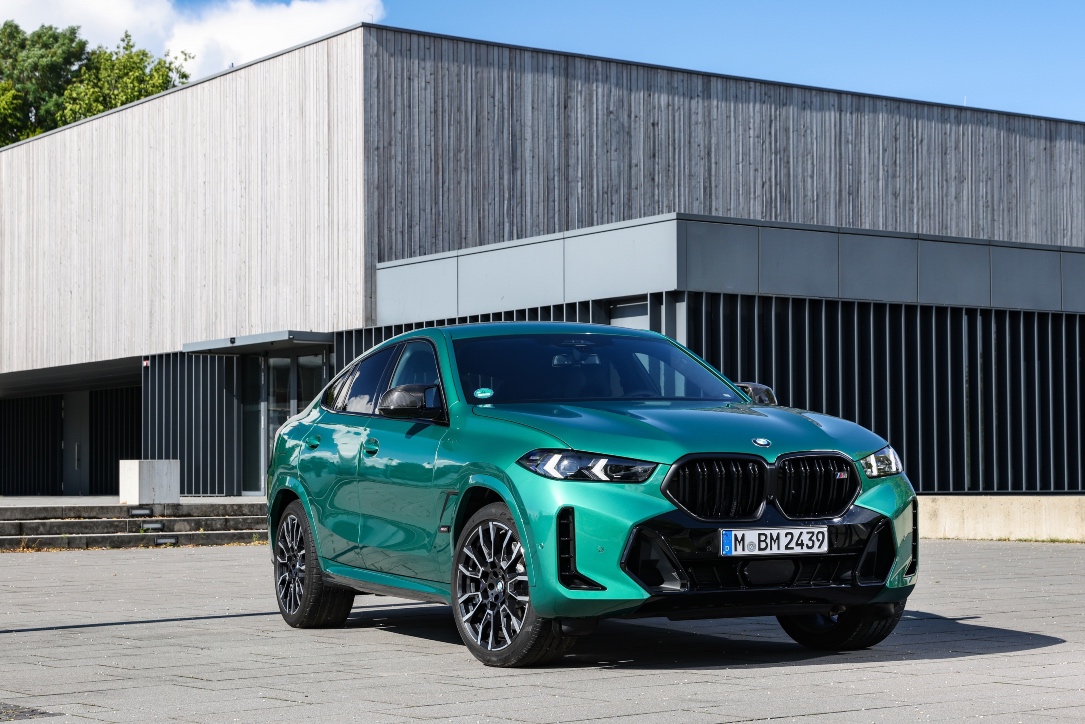 BMW’s latest X6 M60i is a showcase of design and performance
Leave a Reply
You must be logged in to post a comment.