

Dr Sudhir Mehta’s EKA Mobility: Building India’s next-gen commercial vehicles
EKA Mobility is accelerating India's commercial electric vehicle revolution with six newly operational manufacturing facilities, an INR 3,500-crore ecosystem and an expanded portfolio of electric buses, trucks and small commercial vehicles. Led by Dr Sudhir Mehta, the company is building an integrated manufacturing platform with ambitions that extend well beyond India's borders.
02/11/2026
No Comments
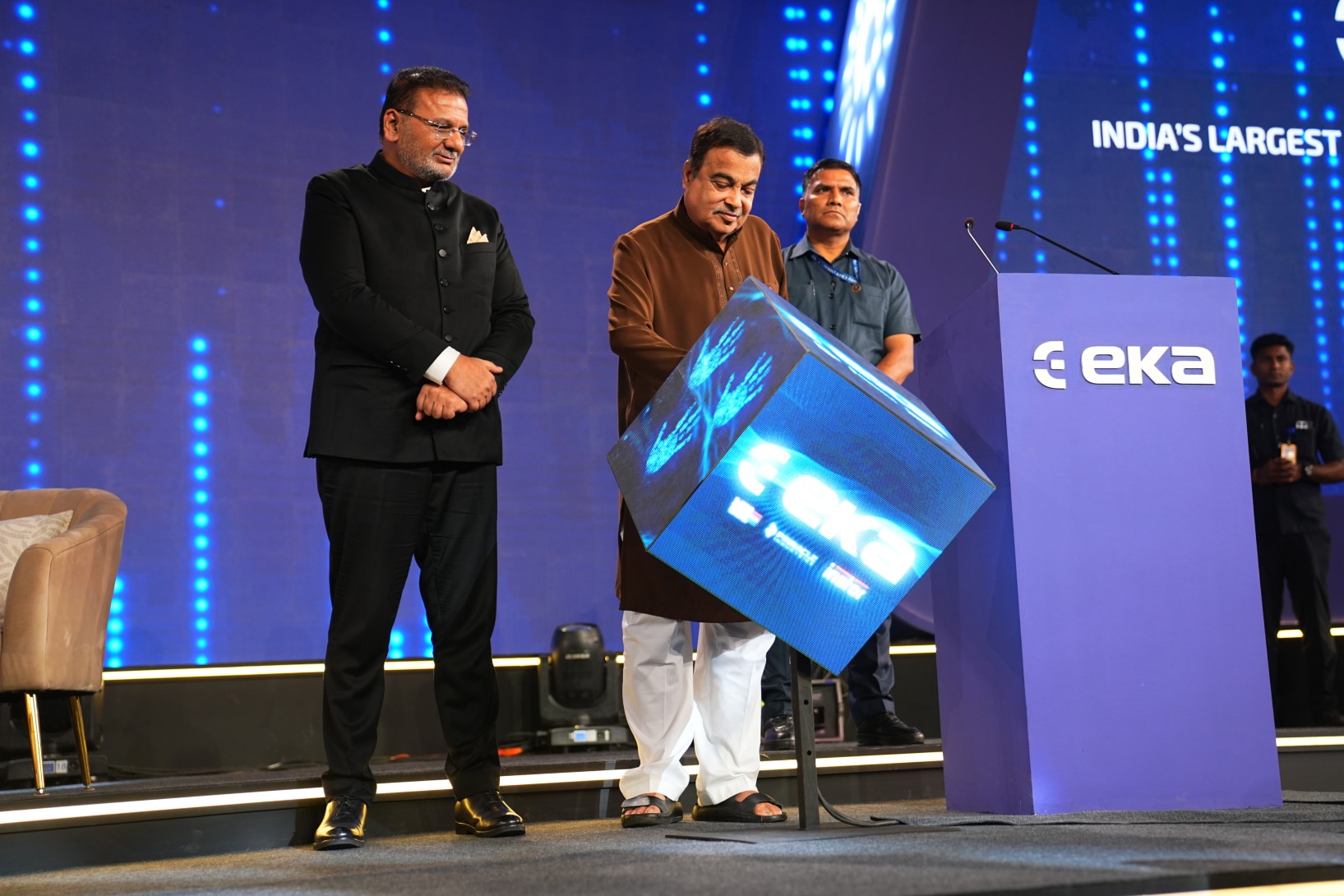
PUNE
India’s commercial electric vehicle revolution is gathering momentum, and EKA Mobility intends to be among the companies defining its next chapter. At the centre of this ambition is an INR 3,500-crore manufacturing ecosystem, six newly operational facilities and an integrated industrial platform designed to address the evolving requirements of electric commercial mobility, both in India and overseas.
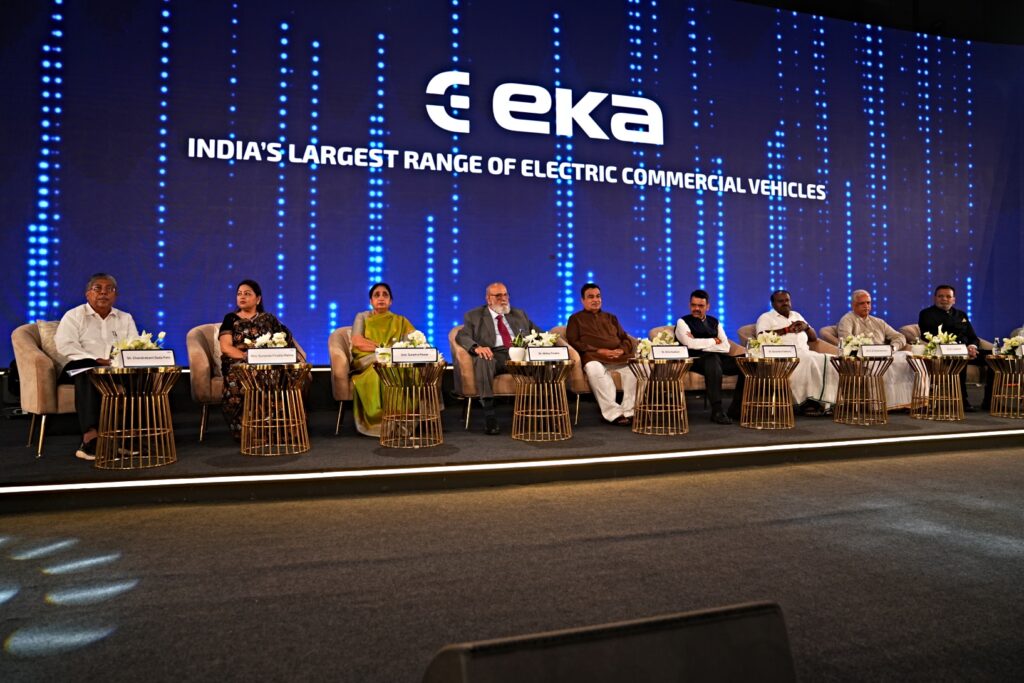
The unveiling of these developments at ‘EKA Avirbhava’ marked a significant milestone for EKA Mobility and its parent ecosystem, Pinnacle Industries. Bringing together political leaders, policymakers, industry representatives, supply-chain partners and institutional investors, the event underscored the scale of the group’s ambitions and its determination to establish India as a formidable force in commercial electric vehicle manufacturing.
With 11 manufacturing plants spread across 120 acres, the Pinnacle and EKA group now have annual manufacturing capacity exceeding 40,000 electric commercial vehicles and 10,000 electric buses.The expanded facilities span Maharashtra and Madhya Pradesh, including Pune’s manufacturing clusters and Pithampur’s substantial seating operations.
More than an expansion of production capacity, the development represents a concerted effort to establish an integrated Indian commercial EV ecosystem, encompassing vehicle engineering, component manufacturing, battery enclosures, seating systems, software and connected vehicle technologies.
For Dr Sudhir Mehta, Founder and Chairman of EKA Mobility and Pinnacle Industries, the opportunity extends far beyond the electrification of transportation. It is about redefining India’s position in the global automotive industry.
Dr Sudhir Mehta’s vision: Making India a global commercial EV manufacturing force
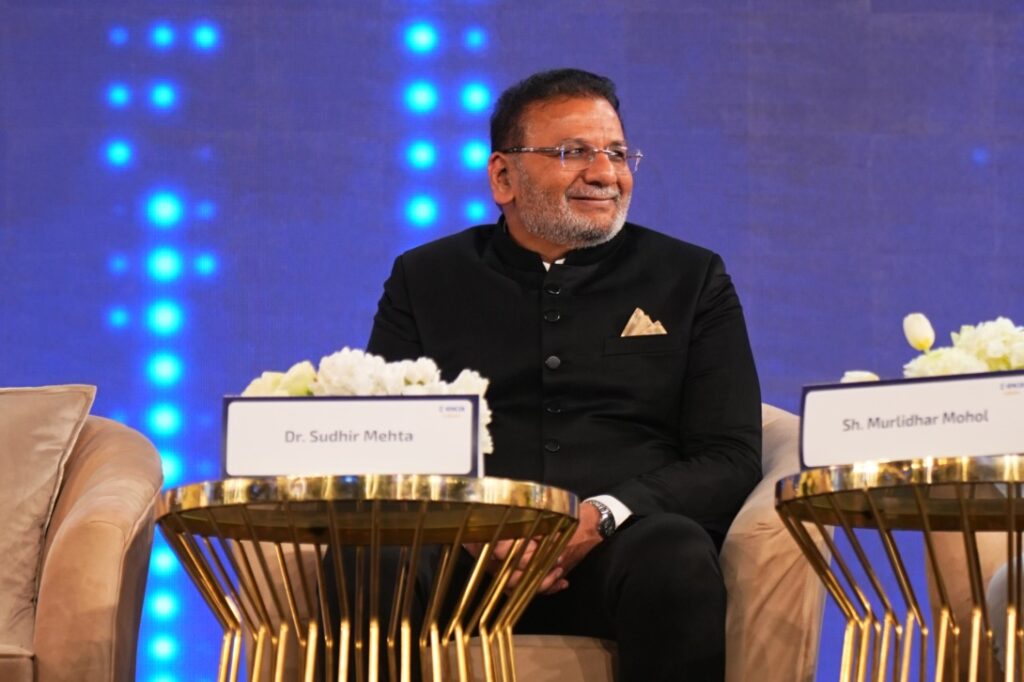
In his address at EKA Avirbhava, Dr Sudhir Mehta placed the company’s ambitions within the larger context of India’s economic, environmental and manufacturing priorities.
Highlighting the country’s dependence on imported oil, the environmental consequences of diesel consumption and the considerable household expenditure associated with transportation, he described the transition to electric mobility as one of the defining manufacturing opportunities of the century.
He said, “$174 billion worth of oil imports, and unfortunately a considerable amount of our lives are lost to air pollution, as just 4% of the vehicles constitute 61% of diesel consumption of the world. For a country of our size, we spend about 8% of our income on household transport, which is the third most important spend in India. But every problem has a solution, which is simply: this is the biggest manufacturing opportunity of the century for us. The automotive business was always determined by internal combustion engines. You take away the engine, and the headways vanish tomake it levelagain. With the help of not just our long-standing partners like VDL (Europe) and Mitsui of Japan, we also have the backing of more than 100 start-ups from across India that are working with us; it’s truly a collaboration of young minds. In essence, the story of EKA is the story of young India.”
His remarks encapsulated the philosophy underpinning EKA Mobility: an indigenous, technology-led manufacturing ecosystem, supported by international partnerships and the ingenuity ofIndia’sstart-up community.
The company’s approach is particularly significant in commercial transportation, where electrification offers considerable potential to reduce operating costs and diesel consumption. Buses,cargo carriersand last-mile delivery vehicles, with their intensive daily utilisation, represent particularlycompellingapplications for electric powertrains.
Rather than simply entering the electric vehicle market with a handful of products, EKA is attempting to establish the manufacturing capabilities, component infrastructure and technological foundations required to serve multiple commercial vehicle segments.
Six new facilities and an INR 3,500-crore manufacturing ecosystem
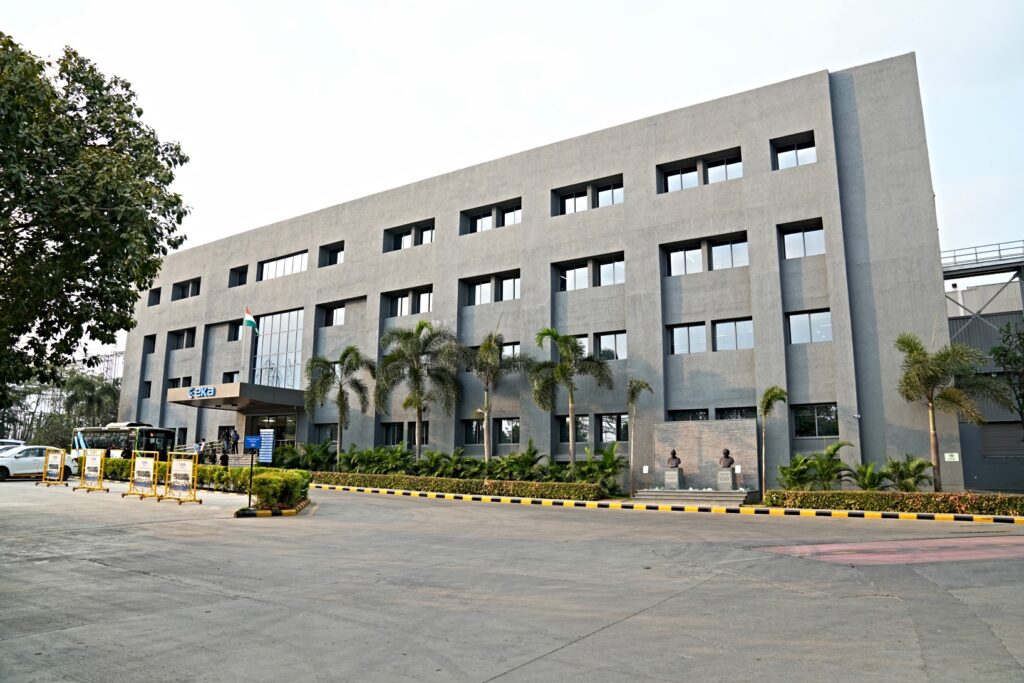
The inauguration at EKA Avirbhava encompassed six facilities across Maharashtra and Madhya Pradesh. Together, they form an expanded manufacturing network intended to support the company’s growing electric commercial vehicle portfolio.
The group’s 11 plants, spread across 120 acres, provide manufacturing headroom exceeding 40,000 electric commercial vehicles and 10,000 electric buses annually.
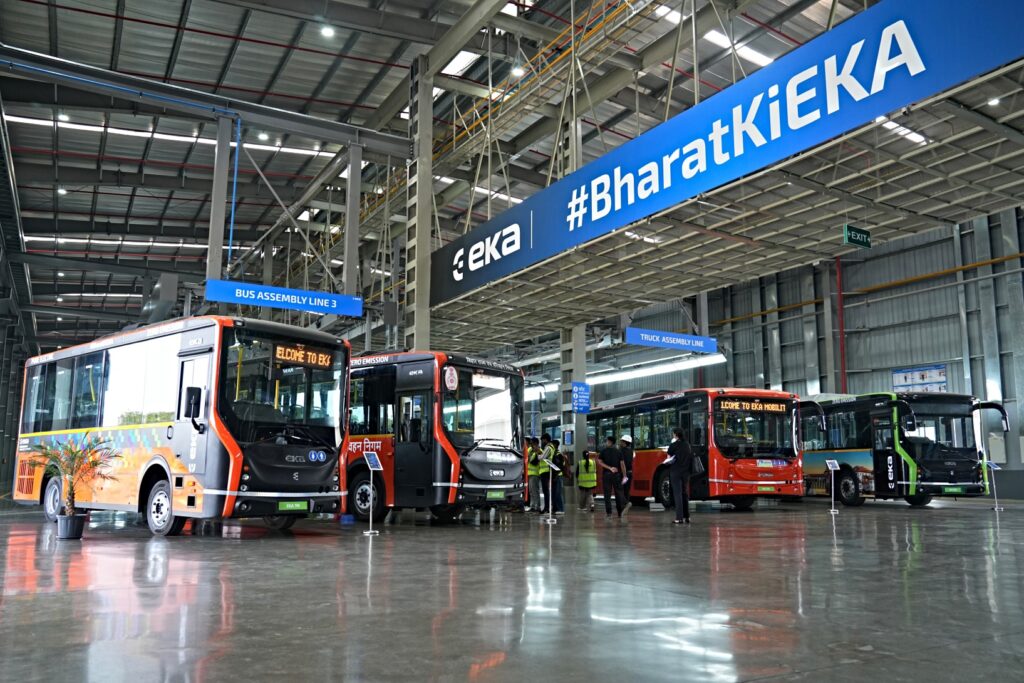
The scale of this infrastructure is particularly noteworthy given the breadth of EKA’s product ambitions.Itsportfolio encompasses small commercial vehicles for urban logistics, electric buses forpublictransportation and medium and heavy-duty electric trucks for industrial and freight applications.
The inauguration also brought together senior political leaders whose remarks reflected the strategic importance of domestic electric vehicle manufacturing.
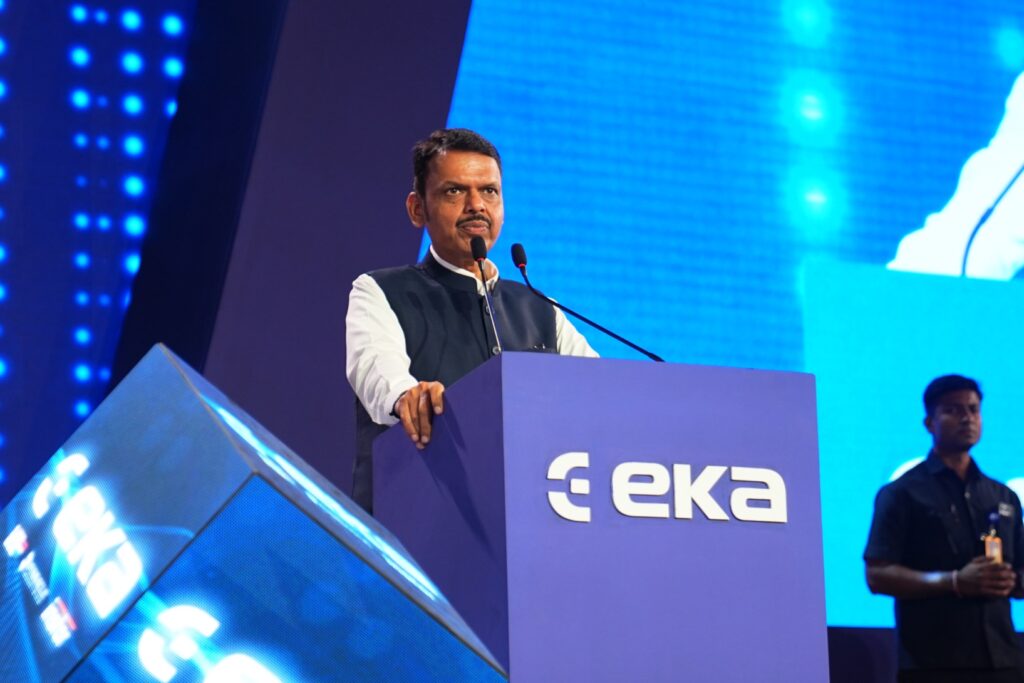
Maharashtra Chief Minister Devendra Fadnavis highlighted Pune’s evolution from a traditional mechanical engineering centre into a hub for software-defined vehicles and clean-energy technologies. He emphasised the state’s investor-friendly industrial policies, streamlined electricity tariffs for clean-technology parks and integrated infrastructure connecting Pune’s industrial centres to JNPT and the Navi Mumbai international hub.
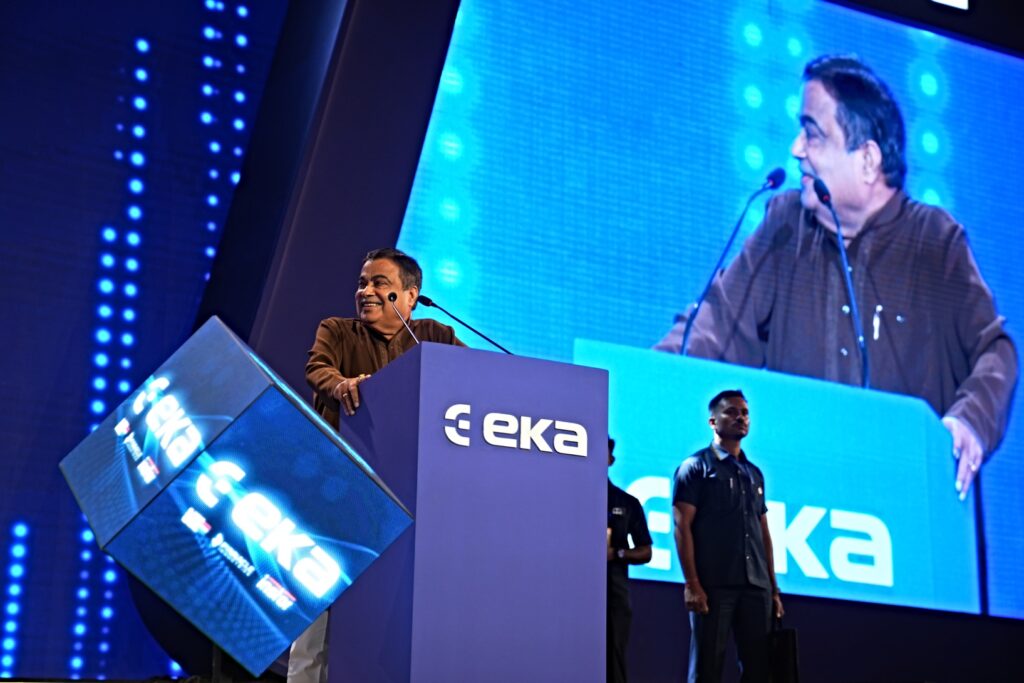
Union Minister for Road Transport and Highways Nitin Gadkari delivered a strong message on indigenous manufacturing and India’s need to reduce its substantial crude oil import bill, estimated at INR 16 lakh crore. He stressed that the commercial vehicle transition must be founded on uncompromising standards of quality, safety and indigenous engineering. Reiterating his vision of a locally sourced electric vehicle ecosystem, he called for India to move beyond being an automotive import market and establish itself as a global export powerhouse.
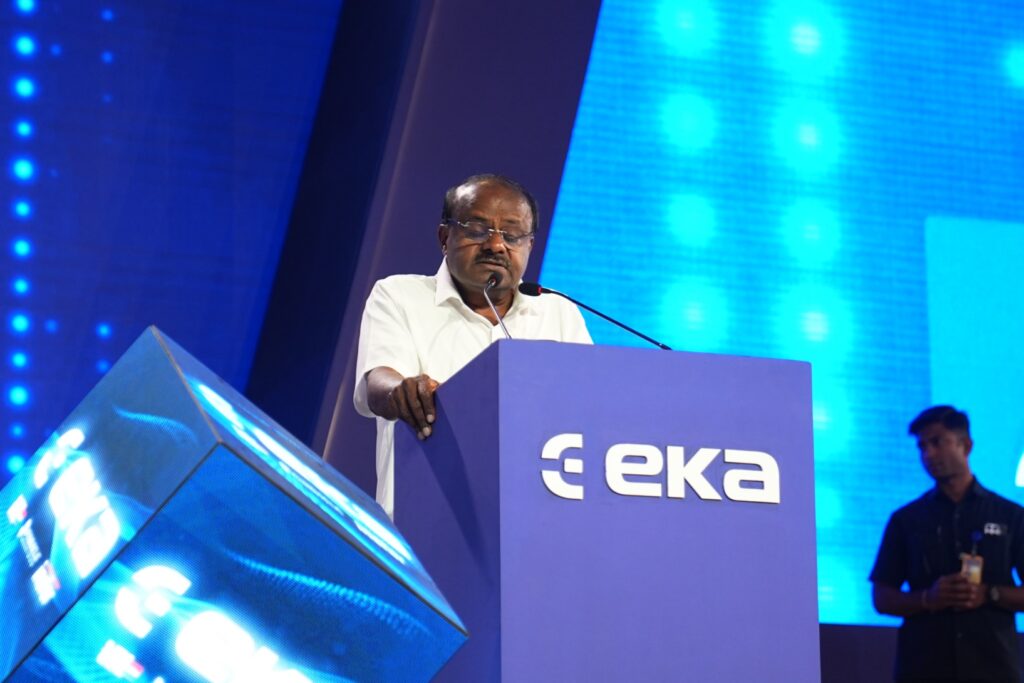
Union Minister for Heavy Industries and Steel H.D. Kumaraswamy urged the automotive industry to accelerate domestic value addition in critical areas such as rare-earth components, power electronics and motor magnetics. Commending EKA’s vertical integration, he observed that investments of this scale were aligned with the Aatmanirbhar Bharat vision and the government’s revised production-linked incentive framework for mobility manufacturing.
Maharashtra Deputy Chief Minister Sunetra Pawar drew attention to the wider socio-economic implications of advanced manufacturing. She highlighted the potential of modern industrial clusters to generate sustainable employment, strengthen technical capabilities and support local supplier networks.She also emphasised the importance of women’s participation in the workforce, particularly across emerging manufacturing centres such as Koregaon Bhima and Shirur.
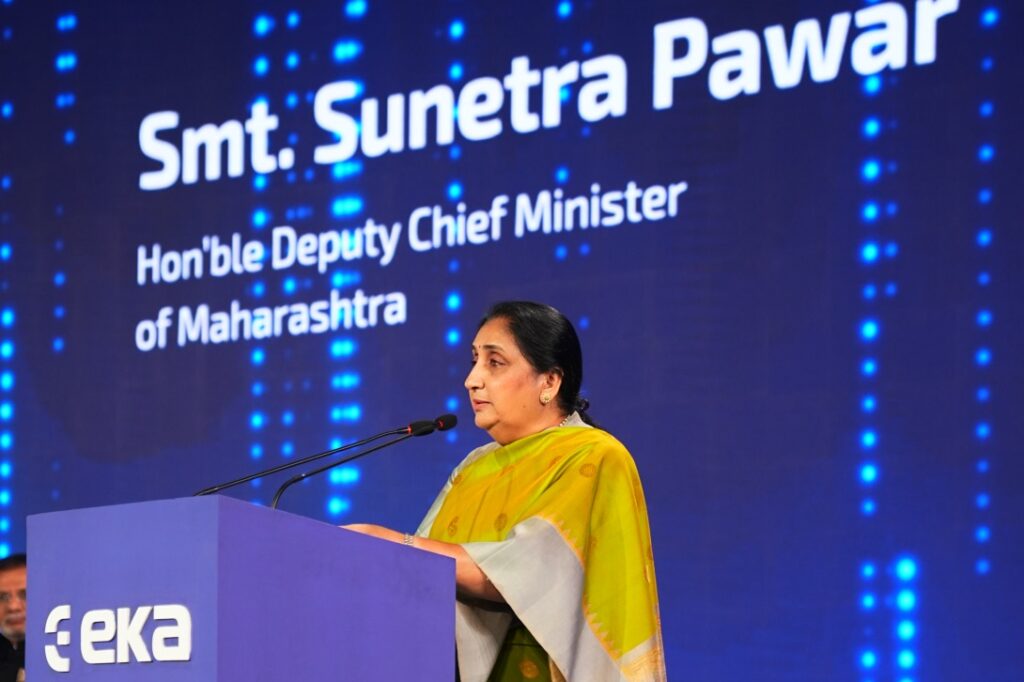
Taken together, the addresses placed EKA’s expansion within a larger national agenda: building domestic manufacturing capabilities, creating skilled employment, strengthening local supply chains and establishing India as a competitive global supplier of electric commercial vehicles.
Inside EKA Mobility: Purpose-built electric vehicles and next-generation manufacturing
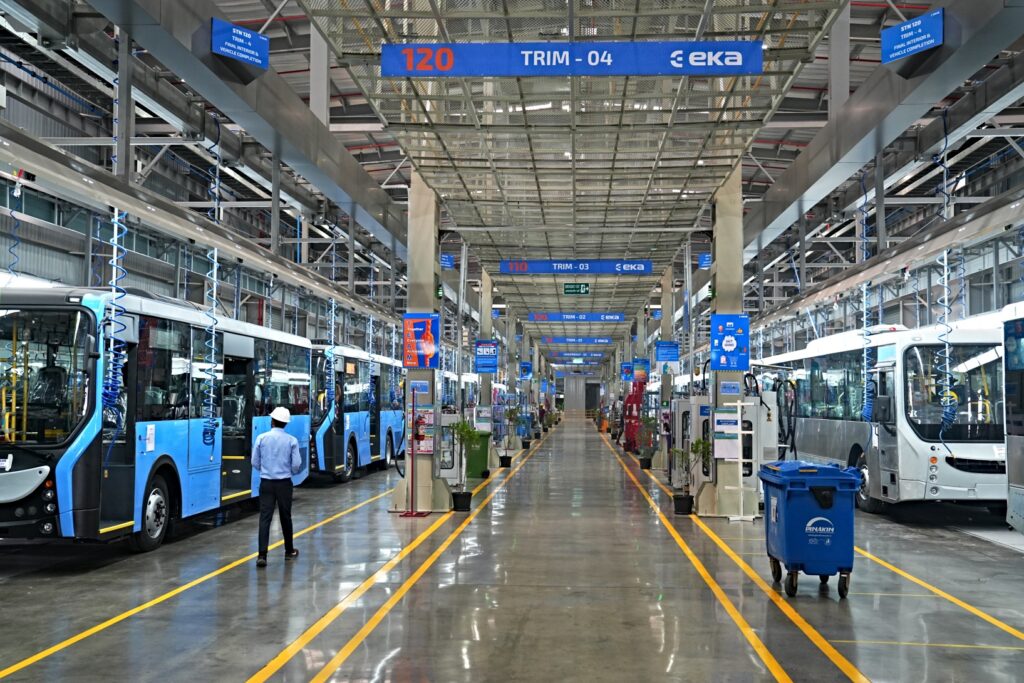
The Pune automotive belt, has witnessed several transformations, from the two-stroke scooters of the 1980s to the sophisticated diesel powertrains that shaped India’s commercial transportation industry over the past two decades.
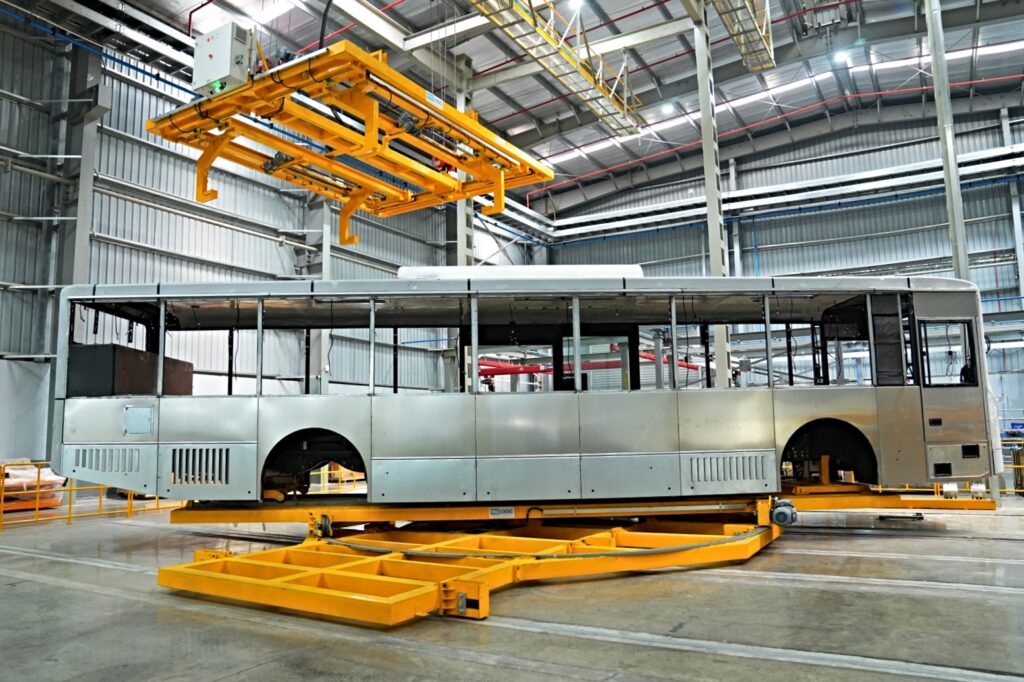
Today, the industrial landscape is undergoing another profound transition. Across the Chakan and Koregaon Bhima facilities, the familiar sights and sounds of conventional automotive manufacturing are increasingly giving way to precision-engineered electric vehicle production. Overhead gantries carry sleek monocoque chassis, robotic cells handle heavy-duty battery enclosures, and automated guided vehicles transport modular sub-assemblies across immaculate epoxy-floored production areas.
EKA Mobility, drawing upon Pinnacle Industries’ longstanding expertise in commercial vehicle components, has adopted a fundamentally different approach to electric commercial vehicle development.
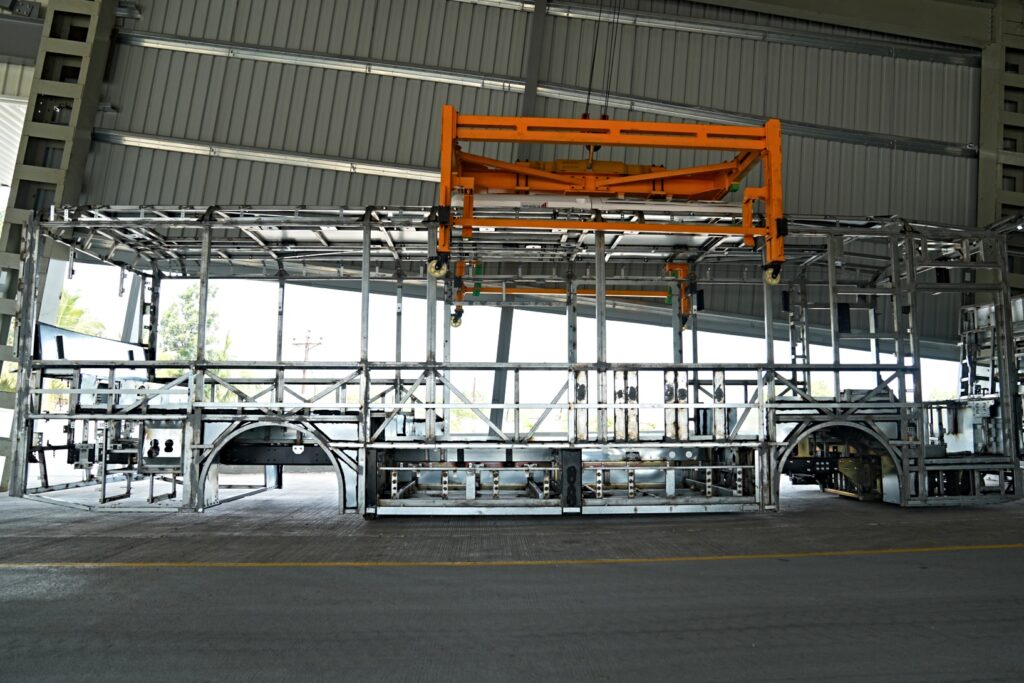
Instead of adapting conventional ladder-frame vehicles to accommodate electric drivetrains, the company has focused on purpose-built, modular platforms engineered around the requirements of electric propulsion. The distinction is important. Vehicle architecture, weight distribution, battery integration and structural design must work together to deliver the required payload, range, durability and operational efficiency.
The company’s manufacturing facilities demonstrate how this engineering philosophy is being translated into production.
EKA K1.5: Small commercial vehicles designed for urban logistics
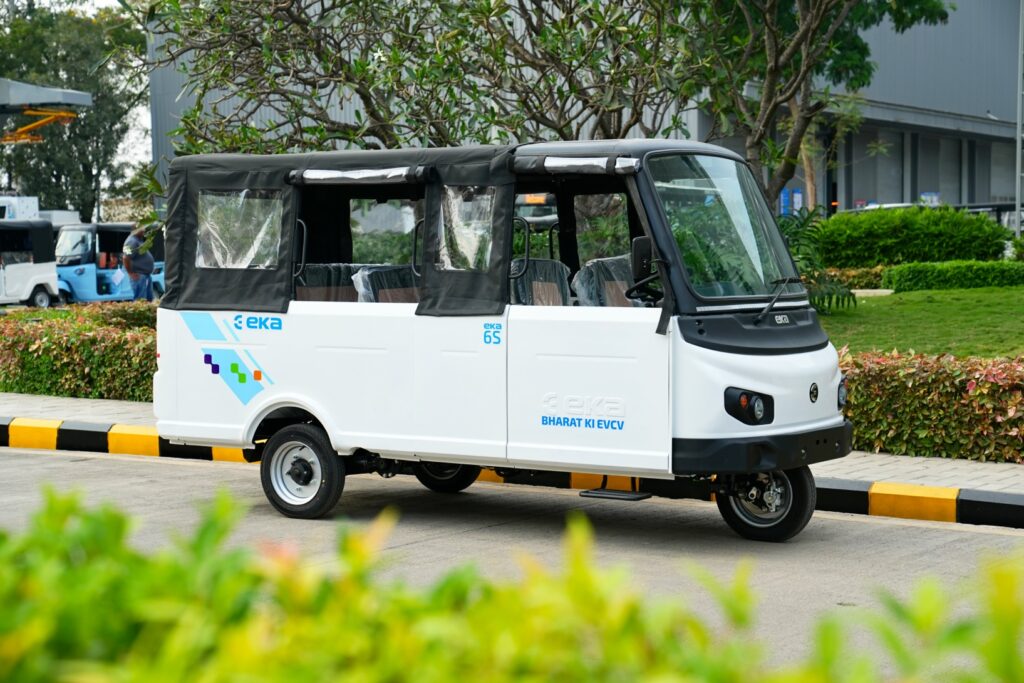
EKA’s dedicated small commercial vehicle assembly facility in Chakan is designed for agile production, manufacturing the EKA K1.5 electric four-wheeler platform, developed for applications across e-commerce, fast-moving consumer goods and intra-city logistics.
Payload optimisation is central to the vehicle’s design philosophy. The engineering combines lightweight composite materials with high-strength structural steel, reducing kerb weight without compromising torsional rigidity.
This approach allows the vehicle to extract greater range potential from its compact, liquid-cooled battery packs while retaining the structural integrity required for commercial operations.
The production line also offers an interesting glimpse into the company’s workforce composition. According to EKA, women account for more than 50 per cent of the plant’s workforce.
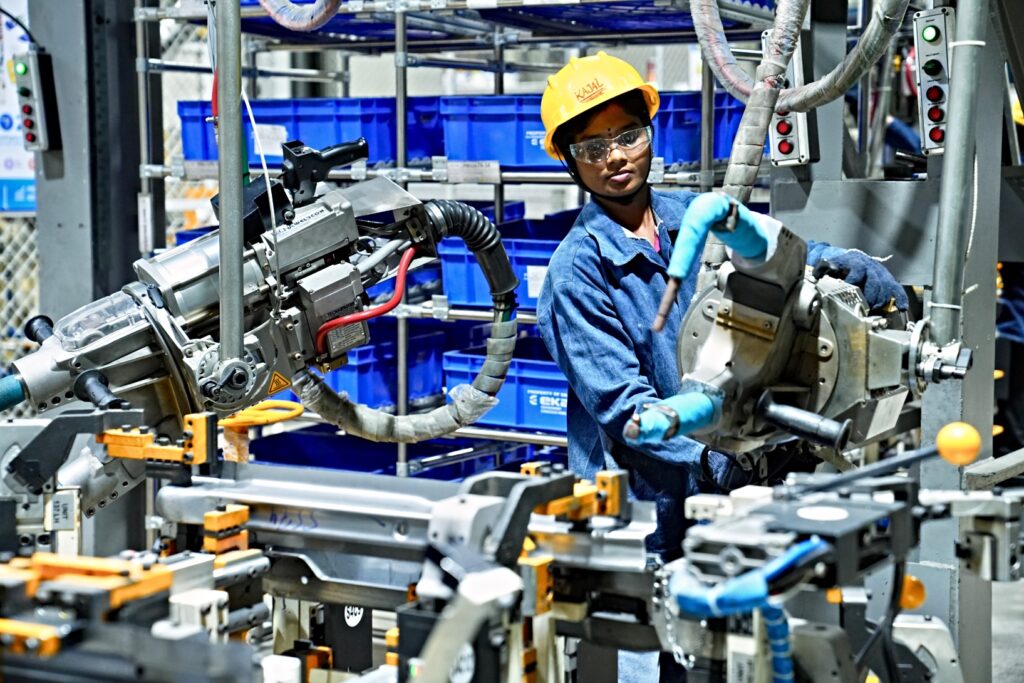
Women technicians are involved in quality-control operations, end-of-line dynamometer testing, real-time insulation-resistance diagnostics and optical alignment inspections, ensuring that vehicles undergo the necessary checks before leaving the facility.
The K1.5 is an important part of EKA’s wider strategy to address the electrification requirements of India’s rapidly evolving urban logistics sector.
Electric buses and trucks: Manufacturing at Koregaon Bhima
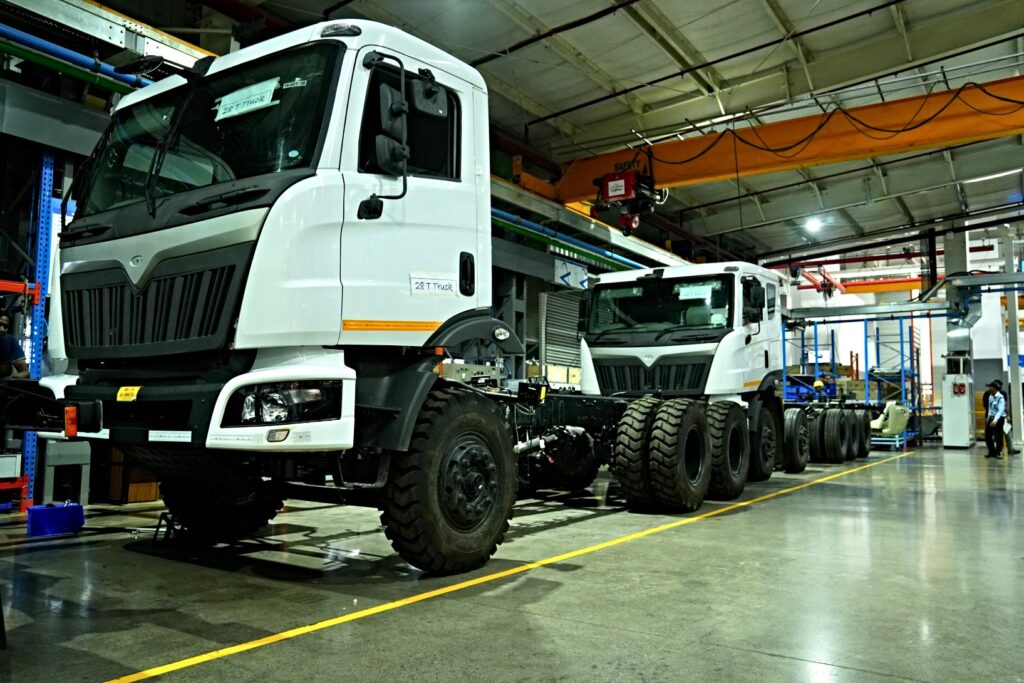
The scale of operations increases considerably at the bus and truck manufacturing facilities in Koregaon Bhima.
Historically, Indian bus-body manufacturing has been characterised by fragmented production processes, substantial manual intervention and varying levels of standardisation. EKA’s approachis built arounda more integrated and modular manufacturing architecture.
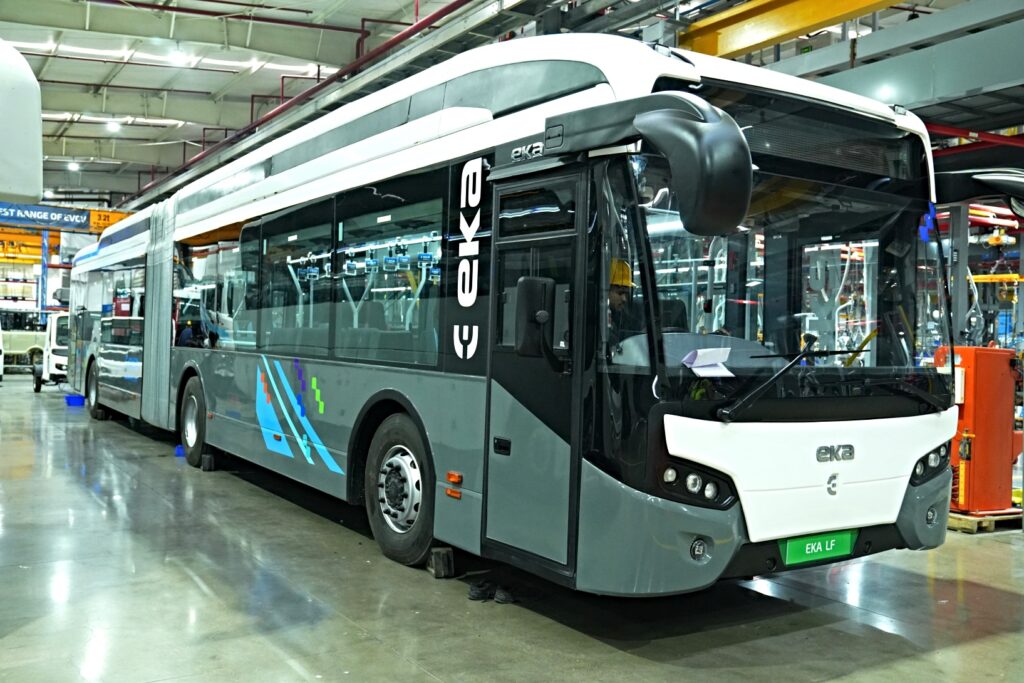
Its 7-metre and 9-metre buses employ full monocoque modular construction, while the longer 12-metre buses in the current portfolio retain ladder-frame chassis architecture.
The assembly process incorporates precision engineering at multiple stages.
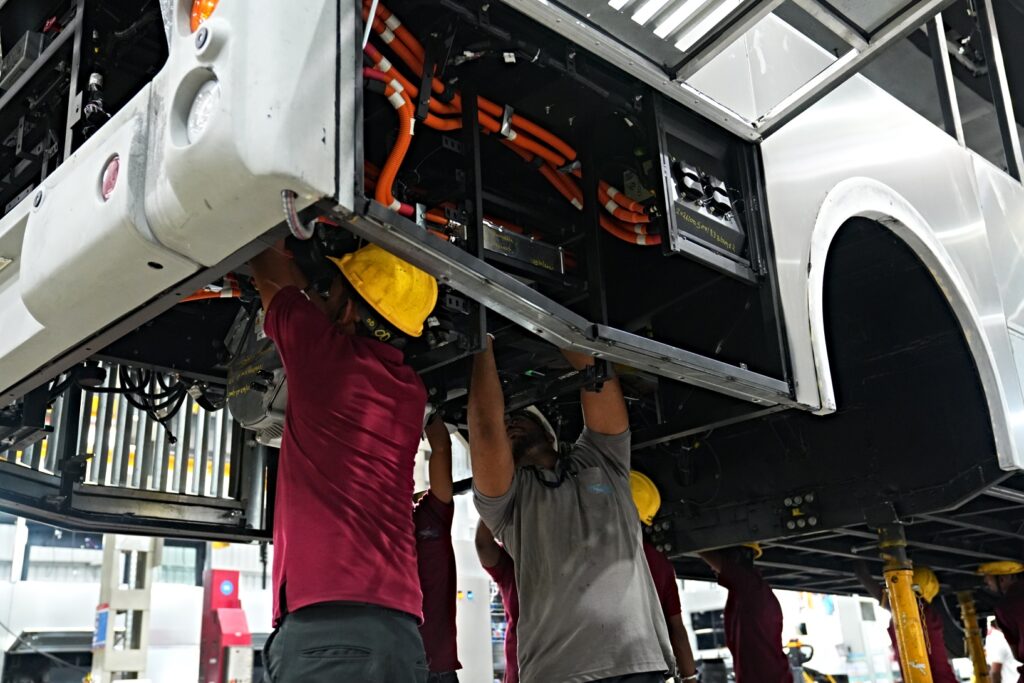
Automated jigging systems ensure accurate geometry across structural frames. High-torque permanent magnet synchronous motors (PMSM) and integrated axles are assembled alongside underfloor and roof-mounted lithium iron phosphate (LFP) battery systems.
Seating brackets, low-voltage wiring harnesses and drive-by-wire control units are installed with automotive-grade traceability.
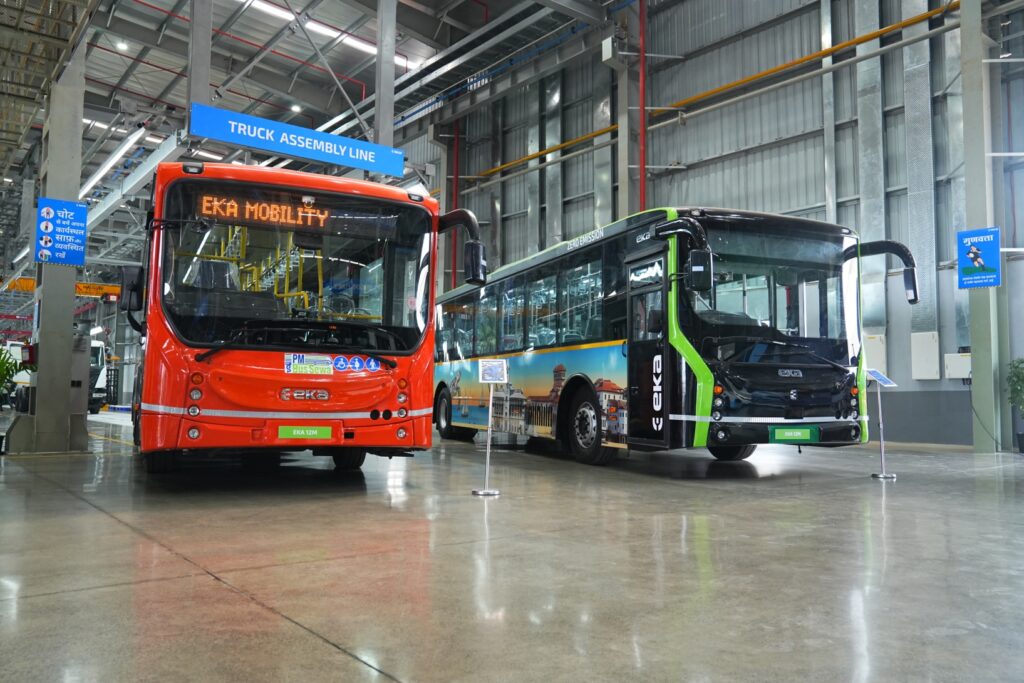
The bus manufacturing facility is scaled to produce thousands of units annually, positioning EKA to participate in the procurement opportunities emerging from initiatives such as the Central Government’s PM-eBus Sewa programme and the requirements of state transport undertakings.
Beyond buses, the company’s manufacturing ambitions extend into medium and heavy-duty electric trucks, intended for applications across industrial transport, logistics and freight movement.
Vertical integration: The strategic advantage behind EKA Mobility
In an increasingly competitive commercial EV market, manufacturing capacity alone is unlikely to be a sufficient differentiator.
Established domestic manufacturers such as Tata Motors and Ashok Leyland possess extensive distribution networks, while international players and emerging electric vehicle companies are competing for a share of the market.
EKA Mobility’s answer lies in an integrated manufacturing ecosystem that combines vehicle engineering, proprietary technologies and component-level manufacturing capabilities.
The company has developed in-house capabilities across vehicle design, software, monocoque structural tooling, telematics and advanced battery management.
These are complemented by a co-located supply chain incorporating Pinnacle’s seating andtrimoperations, VDL Pinnacle joint-venture tooling and Instor’s IP67 battery enclosures.
The resulting structure offers greater control over the manufacturing process, from component development and structural fabrication to final vehicle assembly.
Bringing critical components under greater manufacturing control
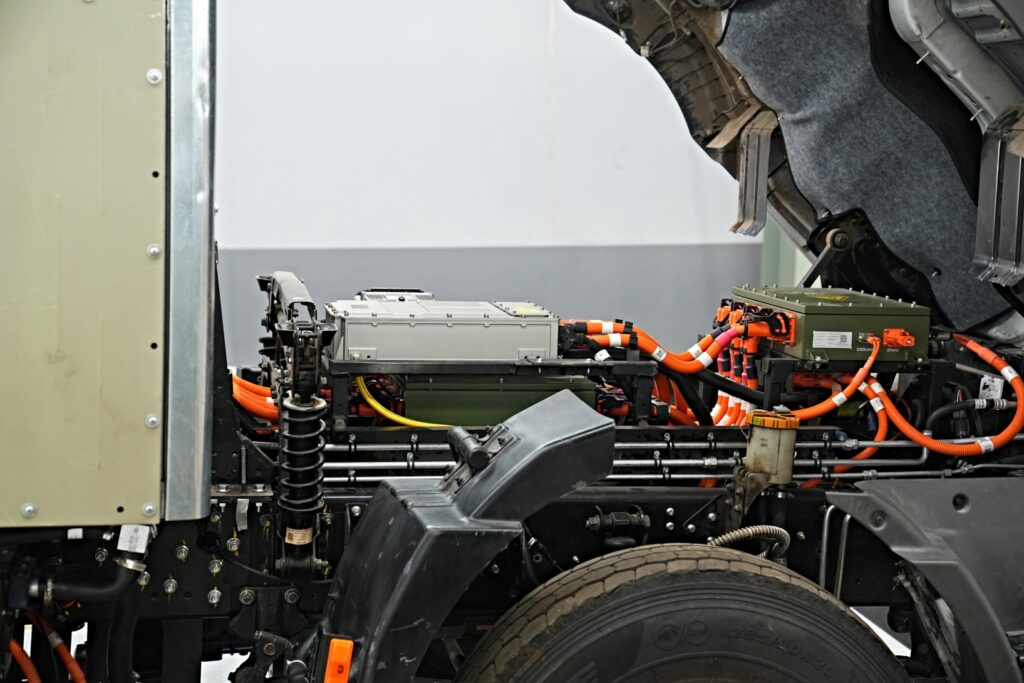
Many electric vehicle assemblers rely heavily on external suppliers for battery enclosures, structural frames, cabin trims and other critical components.
Such dependence can expose manufacturers to fluctuations in component costs, supply-chain disruptions and freight-related delays.
EKA’s association with Pinnacle Industries provides access to an established commercial vehicle component manufacturing ecosystem.
The group can leverage its capabilities in seating systems, interior panels, chassis tooling and battery enclosures, allowing greater control over component quality, manufacturing coordination and production processes.
This integration is central to the company’s strategy of creating a commercially sustainable electric vehicle manufacturing business rather than functioning merely as an assembly operation.
Software-defined vehicles and connected fleet intelligence
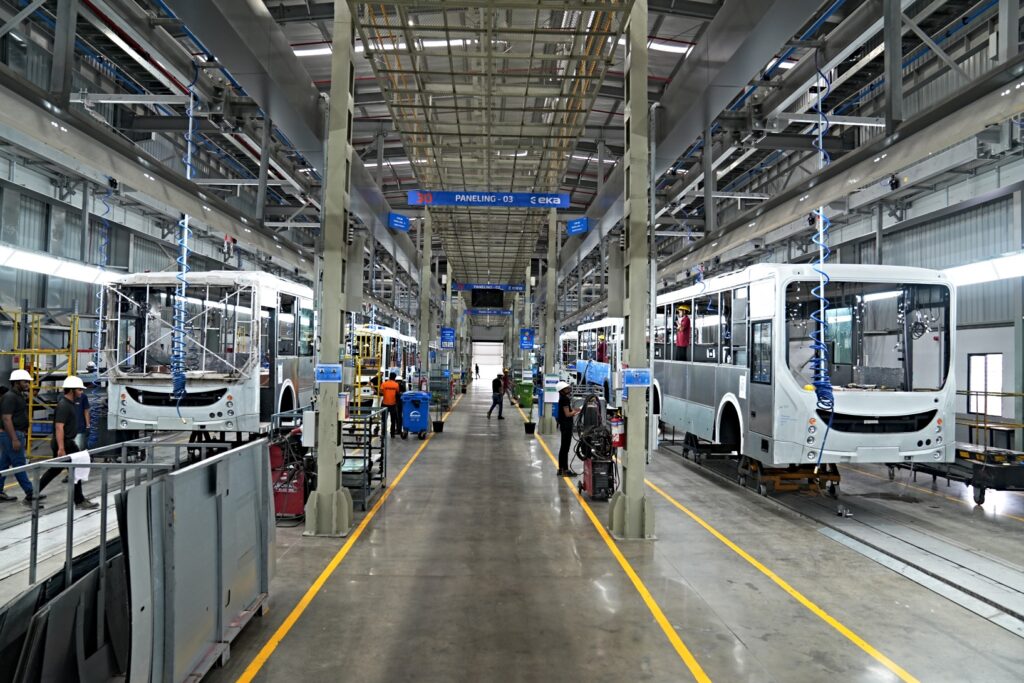
Another important dimension of EKA’s technology strategy is its focus on connected commercial vehicles.
Technical demonstrations highlighted the company’s in-house telematics andvehicle-healthmonitoring capabilities.
The software architecture processes critical vehicle information, including cell-level thermal variations, state-of-charge degradation, regenerative braking performance and driver behaviour.
The resulting information can support preventive maintenance, fleet monitoring and more efficient vehicle utilisation.
For commercial fleet operators, vehicle availability is a critical consideration. Unplanned downtime directly affects operational efficiency, making real-time monitoring and predictive maintenance valuable capabilities.
The company’s connected vehicle architecture also supports the requirements of public transport procurement, including the data management and monitoring considerations associated with municipal fleets.
A multi-segment electric commercial vehicle portfolio
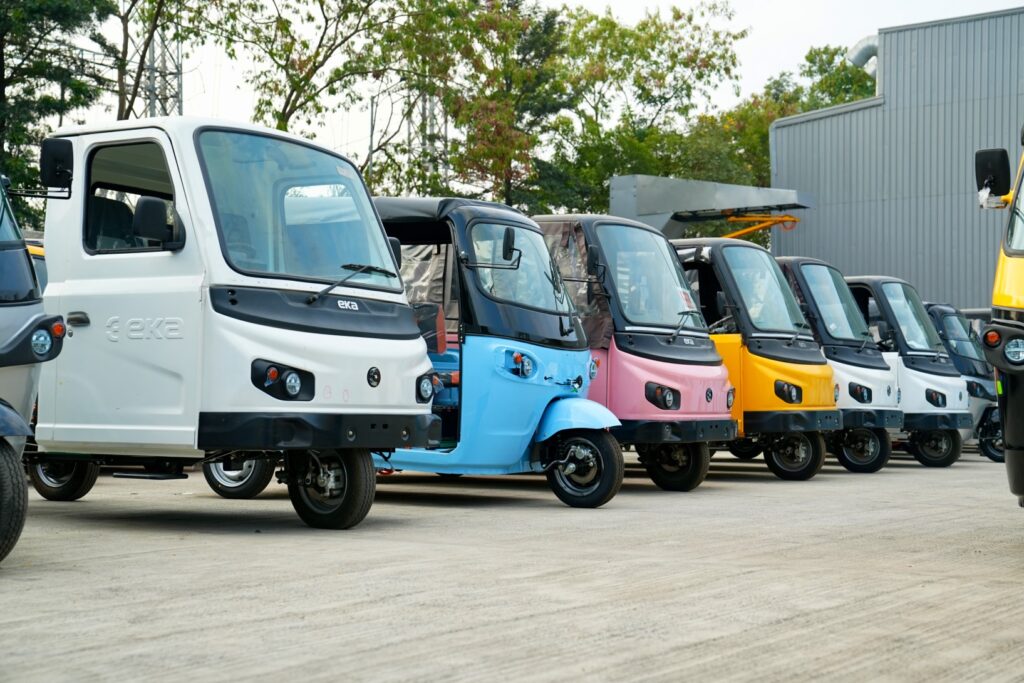
One of EKA Mobility’s defining strategic decisions is its refusal to concentrate exclusively on a single vehicle category.
The expanded manufacturing ecosystem is designed to support three broad commercial mobility segments.
Small commercial vehicles and last-mile logistics: The K1.5 platform addresses urban parcel distribution, e-commerce deliveries and other commercial applications requiring compact vehicles with payload capabilities in the 1-tonne to 1.5-tonne category.
Electric buses and urban transit: The 7-metre, 9-metre and 12-metre bus platforms are intended for public transportation requirements, including low-floor and standard-floor configurations suited to different operating environments.
Medium and heavy-duty electric trucks: These vehicles target predictable freight corridors, port logistics, industrial transportation and closed-loop commercial operations where vehicle utilisation and operating economics are important considerations.
This breadth gives EKA the opportunity to participate in multiple dimensions of the commercial vehicle electrification transition.
It also provides a common manufacturing and component ecosystem across product categories, potentially creating operational efficiencies as production volumes increase.
From India to international markets: EKA Mobility’s global ambitions
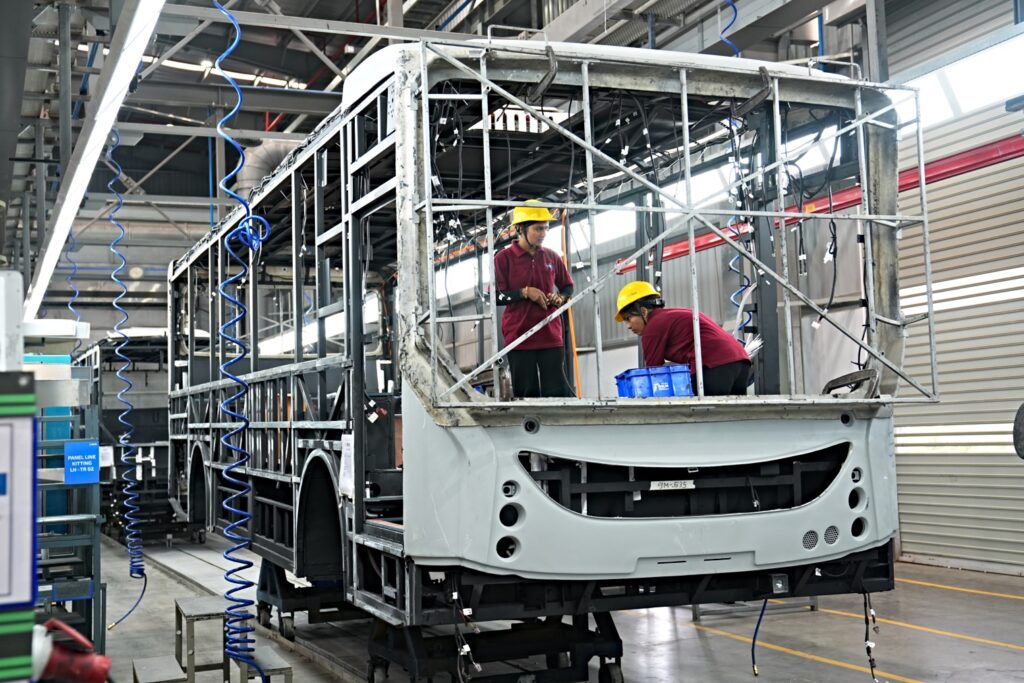
While the domestic market remains the immediate priority, EKA Mobility’s ambitions are increasingly international.
The company is already establishing a presence beyond India, with buses manufactured in Pune operating in international public transportation networks such as Zanzibar. Its light commercial vehicles have also begun deployment in Nepal.
More significantly, the group is laying the groundwork for overseas assembly operations, with assembly nodes under development in markets including Australia and South Africa.
The proposed international strategy involves exporting complete knocked-down (CKD) and semi-knocked-down (SKD) kits manufactured in Maharashtra and Madhya Pradesh for assembly in overseas markets.
This approach provides a foundation for extending the company’s manufacturing footprint beyond India while leveraging its domestic production capabilities.
The international expansion is an important part of the larger vision articulated by Dr. Sudhir Mehta: to build an Indian electric commercial vehicle business that can compete in global markets through engineering, manufacturing expertise and strategic partnerships.
The company’s longstanding relationships with VDL in Europe and Mitsui in Japan, alongside its collaboration with more than 100 Indian start-ups, form part of this broader ecosystem.
The ambition, therefore, is not simply to export vehicles. It is to establish an internationally relevant commercial EV manufacturing platform with India as its engineering and production base.
The road ahead: An Indian commercial EV story with global aspirations
The developments across the Chakan and Koregaon Bhima industrial belt signal a significant transformation in India’s commercial automotive manufacturing landscape.
The transition to electric commercial mobility in India is no longer confined to pilot projects,isolatedvehicle deployments or the promise of government incentives. It is increasingly becoming a serious industrial undertaking, requiring substantial capital investment, advanced manufacturing capabilities, integrated supply chains and technological expertise.
EKA Mobility’s expansion represents an ambitious attempt to bring these elements together. Six newly operational facilities, 11 manufacturing plants across 120 acres, an annual manufacturing capacity exceeding 40,000 electric commercial vehicles and 10,000 electric buses, and a broadening international footprint collectively signal the scale of the company’s intentions.
Yet the most consequential aspect of this development may be the underlying philosophy. Under Dr Sudhir Mehta’s leadership, EKA Mobility is seeking to establish an ecosystem in which vehicle engineering, component manufacturing, software, battery integration and international partnerships reinforce one another. The products are central to this ambition, but so is the manufacturing architecture that supports them. The challenge ahead will be to translate this substantial manufacturing capacity into sustained market penetration, consistent product performance and a stronger international presence.
For now, however, one thing is clear: EKA Mobility is making a determined bid to shape India’s commercial electric vehicle future, not merely as a vehicle manufacturer, but as an integrated industrial and technology platform.
And if Dr Sudhir Mehta’s vision is realised, the next chapter of India’s automotive story may well be written not by the internal combustion engine, but by the electric commercial vehicle engineered, manufactured and exported from India.
Latest
-
 Indian Superbike League names actor John Abraham as their Strategic Advisor
-
 Hyundai BAYON arrives in India with AI-Powered mobility and advanced safety
-
 Ducati Formula 73 pays tribute to it’s historic Imola racing legacy
-
 New Benelli TRK 552 and TRK 552X arrive in India with a 554cc engine
-
 Ultraviolette X-47 Venom debuts with 343 km range and 12 kW fast charging
-
 Mahindra XUV 7XO redefines what a family SUV can be
-

 2026 Tata Tiago iCNG: When smart engineering elevates your daily driver
-
 Why the New-Gen Tata Tiago Petrol feels like a true driver’s car
-
 Tata Harrier Petrol Review: A Sophisticated New Chapter
-
 Can a 1.5-Litre Petrol engine do justice to the Tata Safari?




-
 Saurabh Vatsa on Nissan India’s resurgence, Tekton, Gravite, and the roadmap ahead
-
 Ducati Monster enters its fifth generation with new V2 engine and lighter chassis
-
 How the new Audi Q9 redefines the luxury SUV experience
-
 Nissan Tekton sets the stage for the brand’s next growth phase
-
 2026 Ducati Multistrada V4 Rally blends luxury touring with hardcore adventure